A practical guide to evaluating a sports rehabilitation clinic visit, from therapist credentials and treatment plans to pricing, insurance, equipment, and referral decisions.
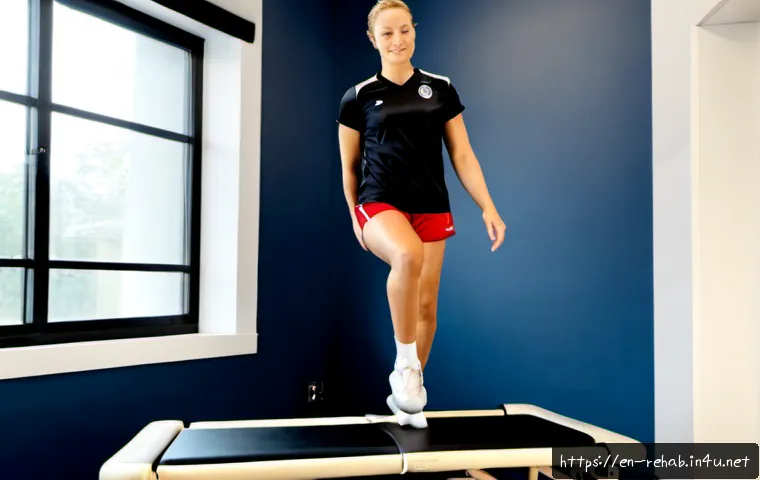
A sports rehabilitation clinic can be worth the added commitment when your recovery depends on sport-specific movement, progressive exercise, and a clear return-to-activity plan.
Compare the care plan, clinician fit, insurance coverage, referral rules, and pricing transparency—not just the clinic’s equipment or branding. The best choice depends on your injury history, activity goals, and whether you need routine physical therapy, specialist input, or coordinated post-operative care.
A higher-cost option may provide better value when it offers measurable progress checks and guidance that matches your sport. Before booking, confirm what the evaluation includes and whether follow-up visits or a home program are part of the plan.
A clinic tour can be useful, but it cannot predict your individual outcome.
At a Glance
- Look beyond the facility: A useful sports rehabilitation program combines assessment, exercise therapy, mobility work, and progressive return-to-activity planning.
- Compare the full cost of care: Ask about self-pay pricing, insurance coverage, referral requirements, visit limits, and what each visit includes.
- Choose a plan, not a promise: Return-to-sport decisions should consider symptoms, function, strength, movement quality, and sport-specific demands.
| Care Setting | Potential Fit | What to Compare Before Booking |
|---|---|---|
| General physical therapy clinic | Common injuries, recurring aches, and general mobility or strength goals | Assessment process, home exercise support, insurance network status, and visit availability |
| Sports rehabilitation clinic | Active adults and athletes who need sport-related movement and return-to-activity planning | Sports physical therapy experience, functional testing, load management, and return-to-sport criteria |
| Hospital-based rehabilitation program | Post-operative recovery or more complex cases that may need coordinated medical care | Referral process, communication with medical providers, coverage terms, and treatment coordination |
What a Sports Rehabilitation Clinic Visit Can Tell You
A first visit should help you understand how the clinic thinks about recovery. The important question is not whether the space looks impressive; it is whether the team can explain how your injury, activity demands, medical history, and current function will shape the plan.
The Three Questions to Answer Before Booking an Evaluation
First, ask whether the clinic treats people with goals similar to yours, whether that is returning to recreational lifting, running, field sport, or daily movement. Second, ask who will be involved in your care. A clinic may include physical therapists, sports medicine physicians, athletic trainers, or strength specialists, and their roles should be clear. Third, ask what the evaluation covers: injury history, movement screening, functional goals, and a proposed progression are more useful than a quick generic exercise list.
Why a Clinic Tour Is Not the Same as a Treatment Outcome
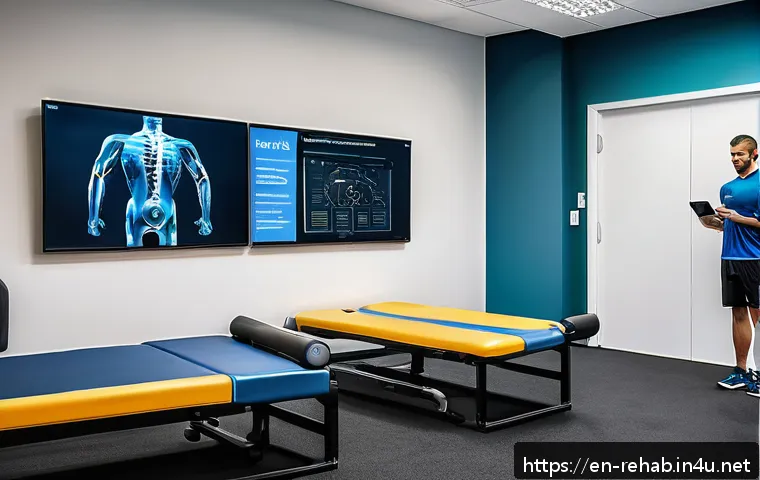
Modern equipment, turf lanes, or recovery devices can be useful, but they do not guarantee the right care plan. A clinic visit should show whether the provider listens, assesses movement, and adjusts treatment over time. Be cautious if the discussion centers on a single machine, a fixed package, or an immediate return-to-sport promise without considering symptoms and function.
Comparing Clinic Types, Services, and Likely Costs
Rehabilitation costs are not just a per-visit question. The practical comparison includes how often visits may be recommended, what insurance covers, whether a referral is needed, and whether you receive a guided program between appointments.
General Physical Therapy vs. Sports-Focused Rehabilitation
General physical therapy may be a strong fit for many injuries and movement limitations. A sports rehabilitation clinic may be more relevant when your goal requires sport-specific demands, such as changes of direction, jumping, running tolerance, or training-load decisions. The better setting is the one that can connect your treatment plan to the activities you actually need to resume.
Self-Pay, Insurance Coverage, Referrals, and Package Pricing Questions
Before committing, ask for clear information about sports physical therapy pricing, self-pay options, insurance billing, referral requirements, and potential visit limits. Coverage can vary by insurer, location, and clinic, so advertised services may not be included in your plan. If a clinic offers a package, ask what it contains, whether reassessment is included, and how the plan changes if your progress or medical needs change. Check the clinic’s official coverage and pricing information before scheduling.
Equipment and Technology: Useful Tools Versus Unnecessary Upgrades
Equipment can support exercise therapy, strength work, movement practice, and functional progression. Still, technology should serve a specific purpose in your plan. Ask, “What decision will this tool help us make?” A clear answer tied to strength, movement quality, symptoms, or activity progression is more meaningful than a broad claim about faster recovery.
What a High-Quality Assessment and Treatment Plan Should Include
A strong plan is individualized and revisited. It should explain what you are working toward, how progress will be assessed, and what you can safely do between appointments.
Injury History, Movement Screening, and Functional Goals
Your assessment should account for the injury itself, relevant medical history, present symptoms, and the activities you want to return to. Functional goals may differ widely: walking comfortably, finishing a workout, lifting overhead, sprinting, or returning after surgery. Measurable goals give you a practical way to discuss progress rather than relying only on how the session felt.
Progressive Exercise, Load Management, and Home-Program Support
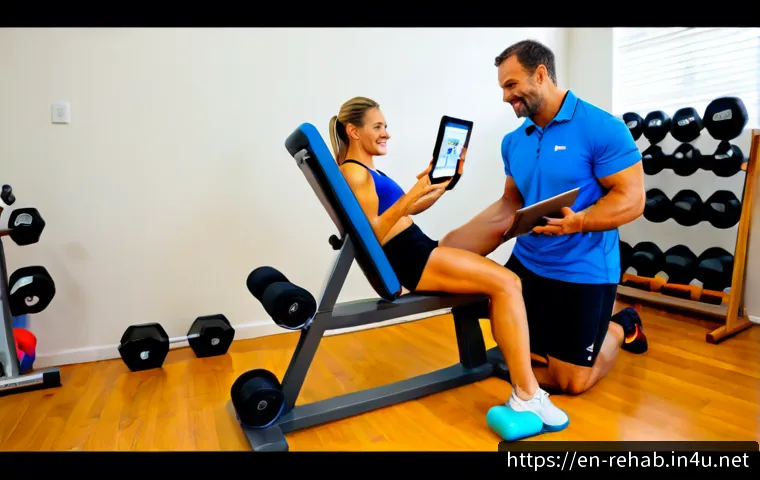
Hands-on treatment alone is typically not a complete rehabilitation strategy. Ask how exercise therapy, mobility work, and a guided home exercise plan will fit together. The plan should progress as your function and tolerance change, not remain identical from visit to visit. For active people, load management matters too: the clinic should be able to discuss how training, practice, work, or daily activity may be adjusted during recovery.
Communication With Physicians, Coaches, or Trainers When Appropriate
For some situations, coordination is helpful. A post-operative patient may need the rehabilitation plan aligned with medical guidance. A competitive athlete may benefit when the therapist can communicate appropriately with a coach or trainer about activity demands. That communication should have a clear purpose and respect the patient’s role in decisions.
Common Mistakes and Safety Checks During a Clinic Visit
The right questions can prevent a mismatch between what you need and what the clinic actually provides. Do not feel pressured to decide before you understand the plan and the financial terms.
Avoiding One-Size-Fits-All Exercise Plans
Standard exercises can have a place, but a suitable program should be adapted to your injury, activity level, medical history, and progress. Ask how the clinician will decide when to increase, reduce, or change an exercise. A plan that ignores your goals or does not include reassessment may be too generic.
Questions to Ask About Pain, Setbacks, and Return-to-Sport Timelines

Ask how the clinic handles pain during exercise, what counts as a setback, and how you should contact the team with concerns. Also ask which factors guide a return-to-sport decision. A thoughtful answer should include symptoms, function, strength, movement quality, and sport-specific demands, rather than a fixed timeline alone.
When Symptoms May Need Medical Assessment Rather Than Routine Rehab
A clinic visit cannot determine whether every injury needs imaging, medication, surgery, or urgent medical evaluation. If symptoms raise concerns, ask whether medical assessment is appropriate and how the clinic handles referrals. Rehabilitation should not replace needed medical evaluation.
Choosing the Right Setting for Your Recovery Goal
Your best option depends on what “recovery” means in your daily life. Matching the setting to your goal can make a clinic comparison much simpler.
Recreational Fitness and Recurring Aches
If you want to return to regular gym sessions, walking, cycling, or casual sport, focus on a clinic that can build a realistic exercise progression and home plan. Insurance-based care or a general physical therapy clinic may be a practical starting point if the plan addresses your actual activities.
Competitive Sport and Performance-Related Return Plans
Competitive athletes may benefit from a sports-focused setting when return decisions involve higher-level movement, training load, and sport-specific demands. Ask how the clinic evaluates function and whether the plan progresses beyond basic symptom relief.
Post-Operative Rehabilitation and Complex Injuries
Post-operative rehabilitation or complex injuries may require closer coordination with a physician and clear guidance around activity progression. In this situation, compare the clinic’s communication process, referral requirements, insurance terms, and ability to adapt the plan as recovery changes.
Choosing a Clinic: Cost, Coverage, and Care Plan Comparison
Use this short checklist before choosing a clinic: confirm who will treat you, what the initial evaluation includes, how progress will be measured, whether a home program is provided, and how insurance coverage or self-pay pricing works. Ask about expected visit frequency without assuming that more visits automatically mean better value. Review referral rules and visit limits with both the clinic and your insurer when relevant. A specialist clinic may offer better value when its assessment and progression directly match the demands of your activity. Check the clinic’s official service, coverage, and booking details for the conditions that apply to your situation.
Closing Thoughts
A sports rehabilitation clinic is most useful when it turns a vague recovery goal into a clear, adaptable plan. Prioritize individualized assessment, progressive exercise, and transparent discussions about cost and coverage. The right clinic should help you understand the next step, not pressure you into a promise about the final outcome.
Useful Things to Know
Ask for the plan in plain language. You should understand the goal of each stage of rehabilitation.
Keep coverage verification separate from marketing claims. A listed service is not automatically covered by your insurance plan.
Track function as well as pain. Activity tolerance, strength, and movement quality can all matter when returning to sport or exercise.
Important Notes
Clinic qualifications, wait times, pricing, insurance eligibility, referrals, and treatment results vary by provider and location. This guide cannot determine whether you need rehabilitation, imaging, medication, surgery, or urgent medical care. Confirm individual clinical and insurance details directly with the appropriate provider or insurer.
Frequently Asked Questions
Q1. How much does a sports rehabilitation clinic visit usually cost?
A1. Costs vary by location, clinic, insurance plan, referral requirements, visit limits, and the services included. Ask for self-pay pricing, billing details, package terms if offered, and an insurance coverage check before booking.
Q2. Is a sports rehabilitation clinic better than a regular physical therapy clinic?
A2. Not automatically. A sports-focused clinic may be a better fit when your recovery requires sport-specific movement, progressive return-to-activity planning, or performance-related goals. A general physical therapy clinic may still be appropriate for many injuries and functional needs.
Q3. What should I ask before choosing a sports physical therapist?
A3. Ask how the assessment is performed, who will be involved in care, how the plan is tailored to your goals, how progress is measured, whether you receive a home exercise program, and how pricing, insurance coverage, referrals, and visit limits are handled.