In today’s fast-paced world, where injuries can abruptly change lives, the role of a sports rehab specialist has never been more vital. More than just physical healing, these experts inspire resilience and transformation, turning setbacks into powerful comebacks.
If you’ve ever wondered how passion and expertise combine to build not only stronger bodies but thriving careers, this story will captivate you. Join me as we explore the journey from injury to inspiration, revealing the impact one dedicated professional can have on countless lives.
Whether you’re a fitness enthusiast or someone facing recovery, this insight promises to motivate and inform. Let’s dive into a world where healing meets hope and success.
The Transformative Power of Personalized Rehabilitation Plans
Understanding Individual Needs Beyond the Injury
Every athlete or patient who walks into a sports rehabilitation clinic brings a unique story, a specific set of challenges, and personal goals. From my experience, the first step in creating an effective rehab plan is truly listening—understanding not just the injury but the lifestyle, emotional state, and future aspirations of the individual.
This approach fosters trust and engagement, which are crucial for successful recovery. For instance, a weekend warrior recovering from a torn ACL has very different priorities than a professional athlete aiming to return to peak performance.
Tailoring programs to these nuances ensures not only physical healing but also mental resilience and motivation throughout the process.
Incorporating Advanced Techniques and Technology
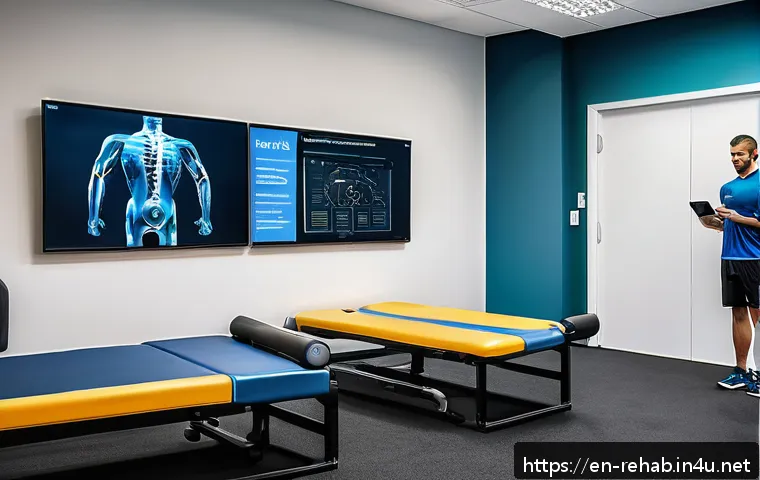
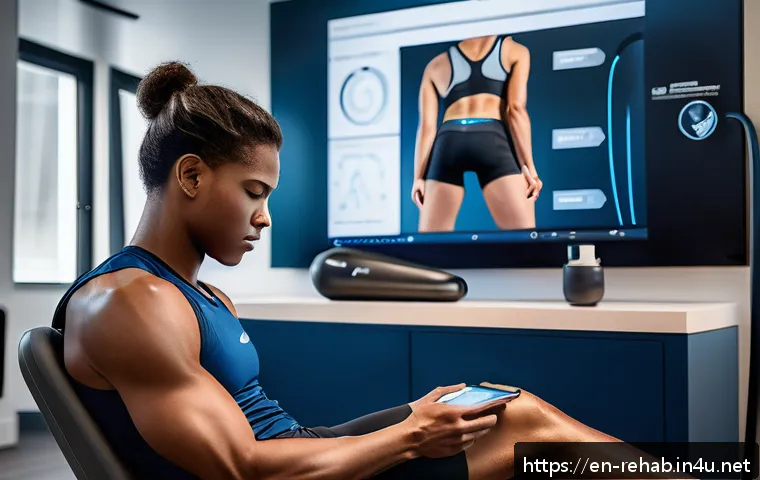
The evolution of sports rehab has been remarkable, and staying current with the latest tools and methods can make a significant difference. Personally, integrating technologies like biofeedback, motion capture, and neuromuscular electrical stimulation has elevated the quality of care I provide.
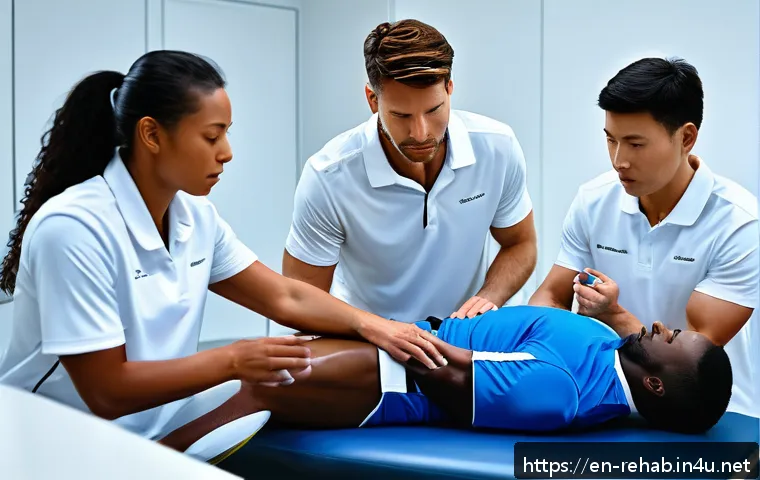
These innovations allow precise tracking of progress and help in adjusting the rehabilitation exercises dynamically. Moreover, combining traditional hands-on therapy with cutting-edge tech creates a holistic healing environment.
Patients often express surprise and appreciation when they see real-time data reflecting their improvements, which boosts their confidence and adherence to the program.
Building Long-Term Strength Through Education
Rehabilitation doesn’t end when pain subsides or mobility returns; it’s about equipping individuals with knowledge and habits that prevent future injuries.
I’ve found that dedicating time to educate patients on proper biomechanics, injury prevention strategies, and self-care routines empowers them to take ownership of their health.
This educational aspect transforms rehab from a temporary fix into a lifelong lifestyle change. For example, teaching a runner about correct foot strike patterns and strengthening exercises can dramatically reduce the risk of re-injury and improve overall performance.
Fostering Mental Resilience Alongside Physical Recovery
Addressing Psychological Barriers in Rehab
Physical injuries often come with invisible psychological hurdles—fear of re-injury, frustration, or loss of confidence. Through years of working with patients, I’ve realized that acknowledging and addressing these mental blocks is just as important as treating the body.
Techniques like motivational interviewing and mindfulness have proven invaluable in helping individuals overcome anxiety and maintain a positive outlook.
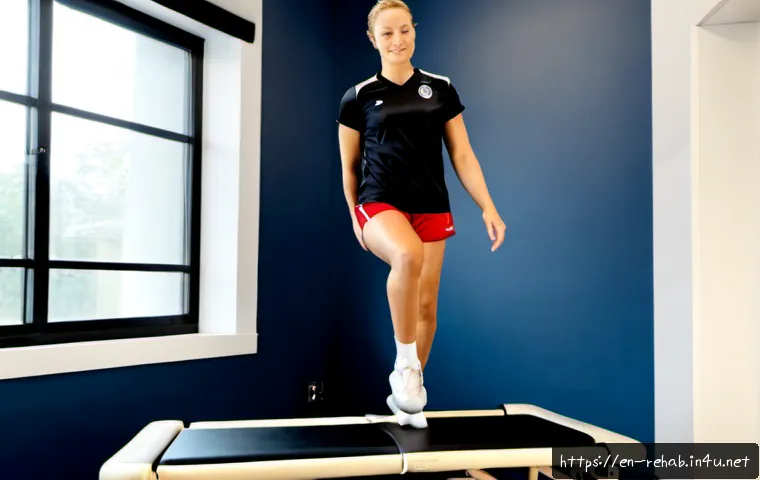
One case that stands out involved a soccer player hesitant to return to play after a severe ankle sprain. By gradually exposing him to controlled challenges and reinforcing small victories, we rebuilt not only his ankle strength but also his mental toughness.
Creating a Supportive and Encouraging Environment
The atmosphere within a rehab setting can greatly influence recovery outcomes. I strive to cultivate a space where patients feel safe, understood, and motivated.
Encouragement and empathy go a long way—simple gestures like celebrating incremental progress or sharing relatable success stories can uplift spirits and fuel determination.
From my perspective, when patients sense genuine care and belief from their rehab specialist, they are more likely to push through difficult phases and commit fully to their recovery journey.
Leveraging Group Dynamics for Motivation
Incorporating group rehab sessions or peer support networks has shown tremendous benefits. When individuals realize others are facing similar challenges, it diminishes feelings of isolation and fosters a sense of community.
I’ve witnessed patients thrive when participating in group exercises or rehab workshops, often exceeding their own expectations because of the shared motivation and accountability.
It’s a powerful reminder that healing is not just a solitary endeavor but can be enhanced through collective encouragement.
Essential Skills and Traits for a Successful Sports Rehab Specialist
Empathy and Communication
Technical knowledge alone doesn’t make a great sports rehab specialist; empathy is the cornerstone of effective care. Patients need to feel heard and understood.
Through active listening and clear communication, I’ve built strong connections that facilitate honest feedback and tailored interventions. Explaining complex concepts in relatable terms helps demystify the rehab process, reducing anxiety and fostering cooperation.
Continuous Learning and Adaptability
The field of sports rehabilitation is ever-evolving, demanding a commitment to lifelong learning. I make it a point to attend workshops, obtain certifications, and stay updated on the latest research.
This dedication not only enhances my expertise but also signals to patients that their care is grounded in current best practices. Flexibility is equally important—no two injuries or individuals are the same, so adapting protocols to fit each case ensures optimal outcomes.
Passion for Helping Others
At the heart of this profession is a genuine passion for improving lives. My most fulfilling moments come from witnessing patients regain independence, return to their passions, or even surpass previous levels of fitness.
This intrinsic motivation drives me through challenging days and fuels my commitment to excellence. It’s a rewarding cycle: the more I invest in my patients’ success, the more inspired I become.
Real-Life Impacts: Stories That Inspire
From Injury to Elite Performance

I once worked with a triathlete who suffered a complicated shoulder injury threatening to end her career. Through a meticulously crafted rehab plan combining physical therapy, strength training, and mental coaching, she not only returned to competition but also achieved personal best times.
Her journey underscored how resilience, expert guidance, and perseverance intertwine to produce extraordinary comebacks.
Empowering Everyday Athletes
Not all success stories involve elite athletes. A middle-aged recreational runner I assisted was plagued by chronic knee pain that hampered his enjoyment and daily activities.
Through patient education and customized exercises, he regained pain-free movement and eventually completed a half-marathon. These victories, though less publicized, are equally powerful testaments to the transformative role of sports rehab specialists.
Turning Setbacks into New Opportunities
In some cases, injuries open doors to new career paths or passions. One individual I worked with transitioned from competitive sports to becoming a certified rehab coach after experiencing firsthand the impact of quality care.
Witnessing such transformations reaffirms the profound ripple effects that dedicated specialists can create beyond just physical recovery.
Key Components of an Effective Rehabilitation Program
Assessment and Goal Setting
Every successful rehab begins with a thorough assessment. Understanding the injury’s extent, functional limitations, and patient goals lays the foundation for a targeted plan.
Setting realistic, measurable milestones keeps progress on track and patients motivated.
Progressive Exercise and Therapy
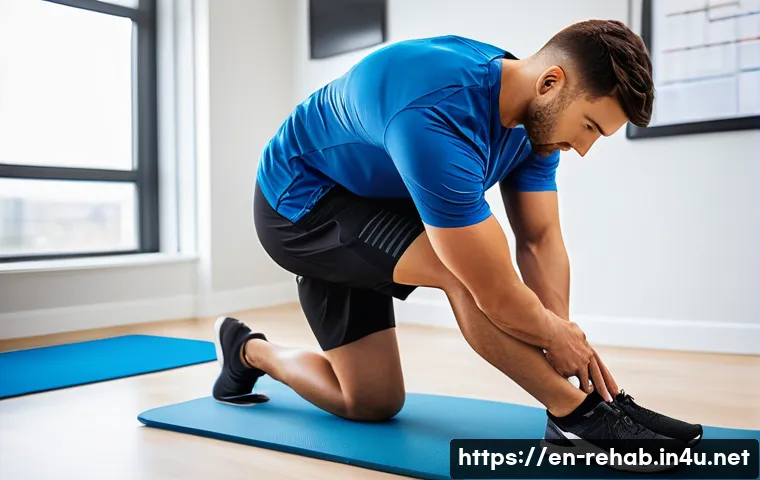
Gradual loading and varied therapeutic interventions are essential. Incorporating strength, flexibility, balance, and endurance exercises prevents plateaus and addresses multiple facets of recovery.
Regular reassessment ensures the program evolves with the patient’s improving capacity.
Holistic Approach to Recovery
Addressing nutrition, sleep, stress management, and lifestyle factors enhances healing. I encourage patients to view rehab as part of a broader wellness journey, integrating healthy habits that support long-term function and performance.
| Component | Description | Patient Benefit |
|---|---|---|
| Initial Assessment | Comprehensive evaluation of injury and functional status | Personalized rehab plan aligned with specific needs |
| Goal Setting | Establishing short-term and long-term recovery targets | Clear direction and motivation throughout rehab |
| Therapeutic Exercises | Progressive physical activities tailored to injury stage | Improved strength, mobility, and endurance |
| Technology Integration | Use of biofeedback and motion analysis tools | Objective progress tracking and optimized interventions |
| Patient Education | Teaching injury prevention and self-care techniques | Empowered patients with sustainable health habits |
Maximizing Career Growth as a Sports Rehabilitation Specialist
Networking and Building Professional Relationships
Developing strong connections with healthcare providers, coaches, and fitness professionals expands referral opportunities and enhances collaborative care.
I’ve found that attending industry events and engaging in online forums fosters valuable relationships that support both patient outcomes and career advancement.
Developing a Niche or Specialty
Focusing on a specific population, such as youth athletes, post-surgical rehab, or chronic pain management, can differentiate a specialist in a crowded market.
My decision to specialize in ACL injury rehabilitation allowed me to deepen my expertise and attract clients seeking targeted care.
Leveraging Digital Platforms for Visibility
Creating educational content through blogs, videos, and social media has been instrumental in building my reputation and reaching wider audiences. Sharing success stories, rehab tips, and evidence-based advice not only benefits potential patients but also establishes authority and trust in the field.
In Closing
Personalized rehabilitation plans hold the key to effective recovery by addressing each individual’s unique needs and goals. Integrating advanced technology and education not only accelerates healing but also empowers patients to maintain long-term wellness. Equally important is fostering mental resilience and creating a supportive environment that encourages progress. Together, these elements transform rehabilitation into a holistic journey toward renewed strength and confidence.
Helpful Information to Remember
1. Personalized rehab plans must consider lifestyle, emotional well-being, and future aspirations alongside the physical injury.
2. Incorporating modern technology like biofeedback and motion analysis enhances precision and patient motivation.
3. Education on injury prevention and self-care is essential for sustainable recovery and performance.
4. Addressing psychological factors such as fear and frustration is critical for comprehensive healing.
5. Building strong communication and empathy improves patient trust and adherence to rehab programs.
Key Takeaways
Effective sports rehabilitation is a blend of tailored physical treatments, cutting-edge technology, and mental health support. Success hinges on thorough assessment, clear goal-setting, and continuous adaptation to individual progress. Specialists must combine empathy with expertise, commit to lifelong learning, and foster a motivating environment to help patients achieve lasting recovery and improved quality of life.
Frequently Asked Questions (FAQ) 📖
Q: uestionsQ1: What exactly does a sports rehab specialist do beyond physical therapy?
A: A sports rehab specialist goes far beyond traditional physical therapy by addressing not only the physical aspects of recovery but also the mental and emotional challenges that come with injury.
They create personalized rehabilitation plans that encourage resilience, help patients regain confidence, and motivate them to push through setbacks. From hands-on treatments to coaching mindset shifts, their role is to turn injuries into opportunities for growth, ensuring clients don’t just heal but come back stronger and more determined.
Q: How can someone benefit from working with a sports rehab specialist during their recovery journey?
A: Working with a sports rehab specialist can make a huge difference in the recovery process. Having expert guidance means your rehab is tailored to your specific injury, fitness level, and goals, reducing the risk of re-injury.
Personally, I’ve seen clients regain mobility faster and develop better movement habits that prevent future problems. Plus, the emotional support and motivation they provide often transform what feels like a frustrating setback into a powerful comeback story, keeping you engaged and optimistic throughout.
Q: Is sports rehabilitation only for athletes, or can anyone benefit from it?
A: Absolutely anyone can benefit from sports rehabilitation, not just athletes. Whether you’re recovering from a weekend hiking mishap, a car accident, or post-surgery healing, sports rehab specialists have the knowledge and tools to help you recover effectively.
They focus on restoring function and improving quality of life, adapting techniques to fit each person’s unique situation. So even if you’re not a pro athlete, their expertise can be invaluable in helping you regain strength, mobility, and confidence.