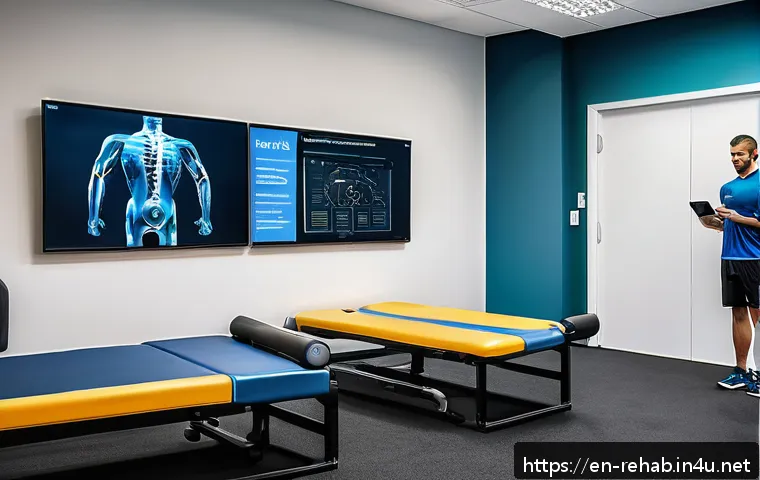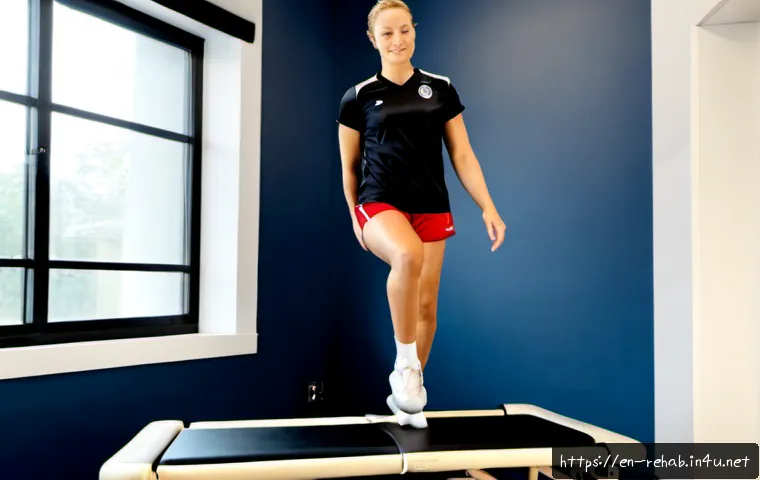
A useful sports rehabilitation case study does more than describe pain and exercises; it connects assessment findings to sport demands, load progression, and return-to-sport decisions.
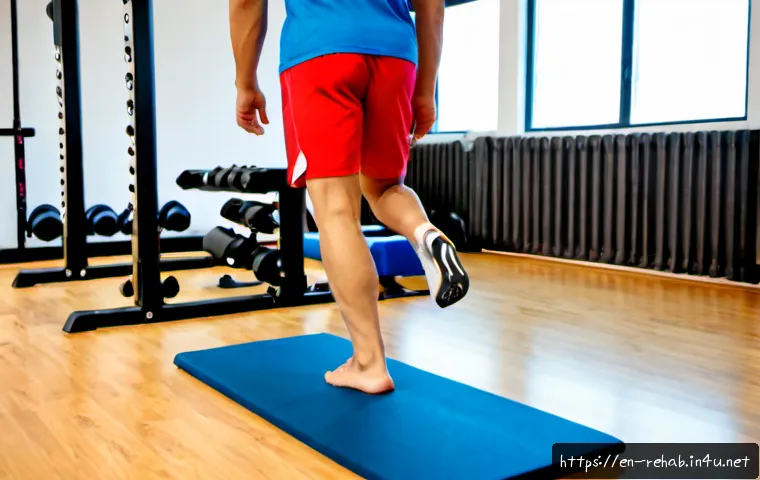
A standard rehabilitation plan may be sufficient when symptoms, function, and sport exposure are progressing clearly, while advanced testing or referral can add value when important decisions remain uncertain.
The right option depends on the athlete’s injury context, training history, goals, and the clinician’s available resources. Basic clinic measures can support many decisions, but they should not be treated as a complete performance profile.
Clear documentation also helps clinics decide whether assessment equipment, rehabilitation clinic software, external testing services, or continuing education would improve their workflow.
This framework is designed for structured reasoning, not for diagnosing or clearing an individual athlete.
At a Glance
- Return-to-sport decisions require more than lower pain levels. Functional capacity, sport demands, and athlete confidence may also need review.
- Choose assessment tools for a defined clinical purpose. More technology is not automatically more useful.
- Progress rehabilitation by the athlete’s response to load rather than relying on time alone.
| Assessment Option | Best Use Case | Limitations | Staffing and Budget Considerations |
|---|---|---|---|
| Basic in-clinic assessment | Monitoring symptoms, movement, functional tasks, and rehabilitation progress | May not fully represent high-demand sport performance | Usually fits existing clinical workflow, but still requires consistent documentation and clinician competence |
| Instrumented performance testing | When a clinic needs more detailed performance data for a defined return-to-sport question | Results can be overinterpreted if they are separated from the athlete’s sport context | Consider equipment training, reporting workflow, maintenance, and total operating cost |
| Specialist referral or external testing | When the required expertise, setting, or testing capacity is not available in-house | May add scheduling steps and requires clear communication between providers | Review report quality, referral process, turnaround expectations, and fit with the clinic’s service model |
What a Useful Sports Rehabilitation Case Study Should Answer
The Immediate Clinical Question: Pain, Function, Performance, or Safe Return to Sport
A practical case study begins with one clear question. Is the main issue ongoing symptoms? Is the athlete limited in ordinary movement or training? Is performance capacity uncertain? Or is the decision about a safe and appropriate return to sport? These are related questions, but they are not interchangeable.
For example, an athlete may report less pain in daily activity while still lacking tolerance for repeated acceleration, cutting, jumping, contact, or sport-specific fatigue. A case study should state which decision is being made now and which decisions remain open. This prevents a single test result from being used as a broad clearance statement.
A Three-Line Case Summary Readers Can Apply Quickly
Use a short format that makes the decision logic easy to review:
- Current status: symptoms, functional limitations, and response to recent training.
- Sport demand: the movements, intensity, volume, and confidence demands that matter most.
- Next decision point: progress load, repeat an assessment, modify training, or consider referral.
This structure works well in rehabilitation clinic software because it separates clinical notes from the actual decision pathway. It also makes handovers more useful when multiple clinicians, coaches, or testing services are involved.
Separating Athlete Goals From Measurable Rehabilitation Milestones
An athlete’s goal may be “play again,” but the rehabilitation plan needs smaller, observable milestones. These may include symptom response, movement quality, strength-related tasks, repeated effort, sport-specific exposure, or confidence during meaningful movements. Goals describe the destination; milestones show whether the current plan is moving in the right direction.
Do not assume that a milestone in the clinic automatically transfers to the field, court, track, or gym. The relevance of each measure should be explained in the context of the athlete’s sport and training demands.
Building the Case: Assessment Findings, Sport Demands, and Baseline Measures
History, Training Load, Mechanism of Injury, and Red-Flag Considerations
A good case record captures the injury story without reducing the athlete to a diagnosis label. Document the reported mechanism, symptoms, training history, recent changes in workload, previous rehabilitation experience, and functional goals. Also note whether there are concerns that require medical review or a different referral pathway.
The case should show what is known and what is not known. When medical history, clearance requirements, or local scope-of-practice rules are unclear, record that they require confirmation rather than filling gaps with assumptions.
Selecting Functional Measures That Match the Athlete’s Sport
Choose measures because they answer the current question, not simply because they are available. A relevant measure should relate to the athlete’s limiting task, their sport demands, and the stage of rehabilitation. Early-stage assessment may focus more on symptoms and basic function. Later stages may need more demanding movement, repeated effort, speed, direction change, or task confidence.
Match the test to the decision. If the athlete’s concern is high-speed running, a measure that only reflects low-demand activity may provide incomplete information. If a competitive setting requires complex movement exposure, a clinic may need to consider whether external return-to-sport testing would add useful context.
Documenting Baseline Findings Without Overinterpreting One Test
Baseline findings are a reference point, not a verdict. Record how the athlete performed, how symptoms responded, what conditions were present, and why the measure was selected. If a result changes over time, interpret it alongside training exposure, athlete feedback, movement observations, and functional goals.
A stronger case study avoids statements such as “one acceptable score means full readiness.” Instead, it explains what the finding contributes to the larger rehabilitation picture and what uncertainty remains.
Comparing Assessment Options and the Value of Advanced Testing
Basic Clinic-Based Measures Versus Instrumented Performance Testing
Basic clinic-based assessment may be appropriate when it provides enough information to guide the next rehabilitation step. It can be practical for tracking symptoms, functional changes, task tolerance, and response to increased load. Consistency in method and documentation is often more valuable than collecting a large volume of disconnected measures.
Instrumented options such as force plates, dynamometry, or motion analysis may be considered when a clinic has a defined use case, trained staff, and a process for translating results into rehabilitation decisions. The device itself does not create clinical clarity. The clinic still needs suitable protocols, quality reporting, and a way to explain results to the athlete without overstating certainty.
When Referral to a Sports Medicine or Performance-Testing Service May Be Reasonable
Referral may be reasonable when the athlete’s needs exceed the clinic’s testing environment, staff expertise, or available equipment. It may also help when a return-to-sport decision needs a broader performance perspective or when the athlete, medical team, and coach need a shared report.
The referral question should be specific: What uncertainty should the external service address? A vague request for “full clearance testing” can produce information that is difficult to apply. A focused referral request supports better communication and makes follow-up rehabilitation planning more efficient.
Budget, Staff Training, Reporting Quality, and Total Cost Considerations
Clinic managers should evaluate assessment equipment as a service decision, not just a purchase decision. Consider who will use the technology, how staff training will be maintained, how results will be documented, and whether the reports improve athlete communication. Also consider the workflow impact of setup, data review, quality control, and follow-up sessions.
For some clinics, a referral partnership may fit better than purchasing equipment. For others, recurring assessment needs may support an in-house model. The better choice depends on clinical value, workflow fit, staff competence, and total operating cost, not on a device’s marketing claims alone.
Rehabilitation Progression: Practical Steps, Load Management, and Common Errors
Moving From Symptom Control to Strength, Movement Quality, and Sport-Specific Exposure
Rehabilitation commonly progresses from symptom management and basic function toward strength-related capacity, movement quality, and sport-specific exposure. The exact pathway should be individualized. An athlete may need more time in one phase, or may require a return to a simpler task after an unfavorable response to training.
The key is to connect every progression with the demands ahead. If sport participation requires repeated high-intensity tasks, rehabilitation should eventually consider whether the athlete can tolerate similar demands in an appropriate and supervised way.
Using Response to Training Rather Than Calendar Dates Alone
Calendar time can provide context, but it should not be the only progression rule. Review the athlete’s symptom response, functional performance, training tolerance, and confidence after exposure. This creates a more useful feedback loop than advancing solely because a certain number of days or weeks have passed.

Document the dose of the activity, the athlete’s response, and the next planned adjustment. This makes load management easier to explain to athletes and helps teams understand why a gradual progression may be needed.
Mistakes to Avoid: Rushed Progression, Isolated Test Results, and Unclear Athlete Communication
Common errors include increasing demand before the athlete has demonstrated tolerance at the prior step, treating a single score as complete evidence, and failing to explain the purpose of each stage. Another problem is documenting exercises without documenting why the load changed.
Use plain language with athletes. Explain what has improved, what still needs review, and what the next exposure is intended to test. Confidence may be relevant to return-to-play tasks, so an athlete’s concerns should be recorded rather than dismissed.
Scenario-Based Applications for Common Sports Rehabilitation Decisions
Athlete Improving in Daily Activity but Not Ready for High-Speed or Cutting Demands
This case is not necessarily a failure of rehabilitation. It may simply show that daily function and sport performance are different decision points. The next step may involve a structured progression toward the missing sport demand, with monitoring of symptoms, movement control, and response to repeated effort.
If the clinic cannot meaningfully assess the relevant task, an external performance-testing service or a sport-specific referral may be worth considering. The goal is not to outsource responsibility; it is to obtain information the current setting cannot reliably provide.
Athlete With Acceptable Strength but Low Confidence in Return-to-Play Tasks
Strength-related findings can be encouraging, but confidence should not be ignored. Ask what task feels uncertain, when that concern appears, and whether it changes with controlled sport exposure. A return-to-sport plan may need graded practice opportunities rather than another isolated strength test.
The case documentation should distinguish between observed capacity and the athlete’s perceived readiness. Both can influence decision-making, but neither should be treated as the only criterion.
Recreational Athlete Versus Competitive Athlete: Different Testing and Referral Thresholds
Testing needs may differ because sport demands, consequences of return, training volume, and athlete goals differ. A recreational athlete may need a practical plan focused on the activities that matter most to them. A competitive athlete may require a more detailed review of sport-specific exposure, performance demands, and communication across a larger support team.
Neither pathway is automatically better. The appropriate level of testing and referral depends on the decision being made, available resources, and the athlete’s individual context.
Choosing Tools, Services, and Next Steps for Better Rehabilitation Decisions
Selection Checklist for Clinic Equipment, External Testing, and Professional Education
Before adding new assessment technology or a return-to-sport testing service, ask:
- What recurring clinical decision will this tool or service improve?
- Do clinicians have the required competence and time to use it consistently?
- Will the output improve rehabilitation planning or athlete communication?
- Can results be documented clearly within the existing clinic workflow?
- Would a continuing education course, referral partnership, or software improvement solve the problem more directly?
Questions to Ask Before Purchasing Assessment Technology or Outsourcing Evaluations
Compare the reporting format, training requirements, data handling process, and total operating cost. Ask whether reports are understandable to the referring clinician and athlete, and whether the provider explains how results relate to functional rehabilitation decisions. For outsourced services, clarify how follow-up questions and shared decision-making will be handled.
For in-house equipment, examine the full operating model: staff time, onboarding, repeatability of procedures, reporting standards, and the clinic’s ability to maintain the service. A useful system should reduce uncertainty, not create more data without a practical action plan.
A Concise Comparison Summary for Clinical Value, Workflow Fit, and Budget
Basic assessment is often enough when the rehabilitation decision is clear and the clinician can monitor meaningful functional progression. Advanced assessment may add value when there is a specific unanswered performance question. Referral may be the most efficient option when specialist expertise or a different testing environment is needed.
Selection Criteria and Comparison Summary
Before choosing clinic equipment, external performance testing, or a rehabilitation education program, check these points:
- Decision relevance: Does it answer a real return-to-sport or progression question?
- Clinical competence: Can the team perform and interpret the assessment appropriately?
- Workflow fit: Can reporting, review, and follow-up fit the existing service?
- Athlete value: Will the information improve understanding, planning, or communication?
- Total cost: Compare reporting options, training requirements, and total operating cost.
For equipment, testing services, or course options, review the official information page for service details, training expectations, and reporting features before making a commitment.
In Closing
Strong sports rehabilitation case studies make the reasoning visible. They separate symptoms from function, function from sport performance, and data collection from the decisions that data is meant to support. The best plan is not necessarily the one with the most tests; it is the one that uses appropriate information to guide the next step. When uncertainty remains, a focused assessment or referral question is more useful than a broad search for more numbers.
Useful Information to Keep in Mind
1. Record the athlete’s response after meaningful training exposure, not only during the appointment.
2. Use the same documentation structure across clinicians whenever possible.
3. Keep athlete goals, measurable milestones, and referral questions separate but connected.
4. Review whether an assessment changes the plan before adding it to routine workflow.
Important Notes
This article provides general educational guidance only. Individual injuries, sport demands, medical histories, clearance requirements, local regulations, and scope-of-practice rules require case-specific review. No named test, device, protocol, intervention, or referral pathway is automatically appropriate for every athlete. Return-to-sport decisions should be individualized and made within the relevant clinical and sporting context.
Frequently Asked Questions
Q1. What should a sports rehabilitation case study include?
A1. It should include the athlete’s current symptoms and function, relevant sport demands, baseline findings, rehabilitation milestones, response to load, and the next decision point. It should also identify what remains uncertain instead of presenting one measure as a complete answer.
Q2. When is advanced return-to-sport testing worth the additional cost?
A2. It may be worth considering when it answers a specific question that basic clinic assessment cannot address clearly, and when the clinic or referral provider can deliver competent testing, useful reporting, and practical follow-up. Compare reporting options, training requirements, workflow fit, and total operating cost.
Q3. Are strength tests alone enough to determine whether an athlete can safely return to sport?
A3. Not necessarily. Strength-related information can be useful, but return-to-sport decisions may also need to consider symptoms, functional capacity, sport-specific demands, training tolerance, movement quality, confidence, and relevant medical or organizational requirements.