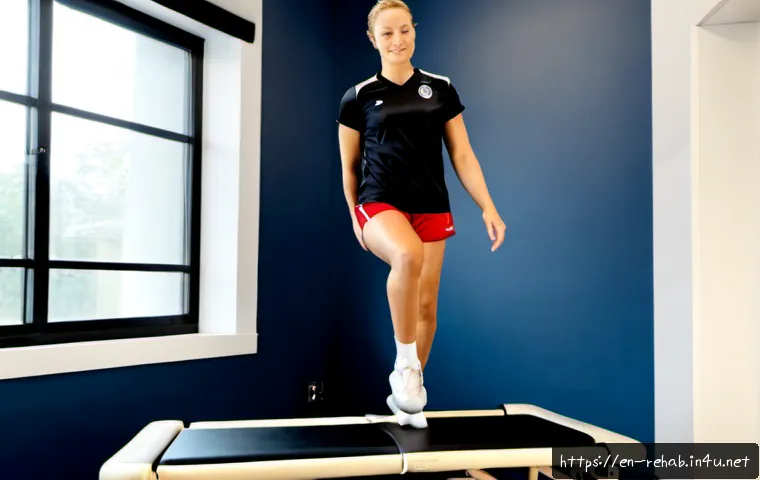
In today’s fast-evolving health and fitness world, sports rehabilitation stands out as a dynamic and rewarding career path. With more athletes and active individuals seeking expert care, mastering this field offers incredible opportunities for growth and long-term success.

Whether you’re just starting out or looking to elevate your expertise, understanding insider strategies can make all the difference. Stick around as we dive into practical tips and real-world insights that can help you thrive in this competitive yet fulfilling industry.
Ready to unlock your potential and make a lasting impact? Let’s get started!
Building a Solid Foundation in Sports Rehabilitation
Understanding Core Anatomy and Physiology
Getting to grips with human anatomy and physiology is absolutely crucial when you’re aiming to excel in sports rehabilitation. I’ve noticed that many beginners underestimate how deeply you need to know the musculoskeletal system, nervous system, and how tissues respond to injury.
When you understand exactly what’s happening beneath the skin, you can tailor rehab programs that are not only effective but also prevent re-injury. For instance, knowing the difference between a muscle strain and a ligament sprain can completely change your approach to treatment and recovery timelines.
It’s not just textbook knowledge either—real-world experience helps you read subtle signs that textbooks might miss.
Mastering Assessment and Diagnostic Techniques
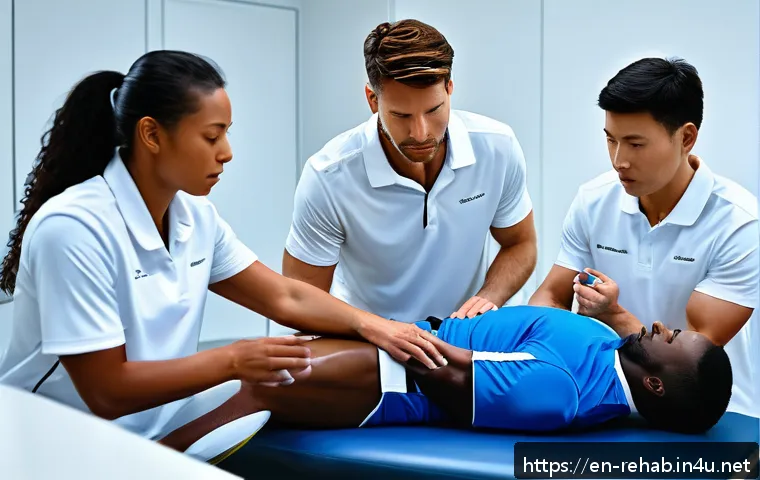
One thing I’ve learned over time is that your ability to assess injuries accurately sets you apart as a top-tier practitioner. Beyond just asking questions, hands-on skills like palpation, range of motion testing, and functional movement screening are game-changers.
These assessments guide your rehab plan and allow you to track progress objectively. Plus, knowing when to refer clients for imaging or specialist care is an art in itself—you don’t want to miss underlying issues that could derail recovery.
The confidence that comes from nailing these diagnostics makes your clients trust you more, which is key for long-term relationships.
Continuing Education and Staying Current
Sports rehabilitation is constantly evolving, and I can’t stress enough how important it is to stay updated. Whether it’s the latest research on tendon healing or new manual therapy techniques, continuous learning keeps you at the forefront.
Personally, attending workshops, webinars, and even informal meetups with other professionals has broadened my perspective and introduced me to innovative practices.
This not only benefits your clients but also boosts your career opportunities. In this field, being complacent is not an option; the more you learn, the more you can offer.
Creating Effective and Personalized Rehabilitation Plans
Integrating Evidence-Based Practices
When designing rehab programs, I always rely on evidence-based practices because they provide the best outcomes. It’s tempting to fall into routines or follow what’s popular, but without scientific backing, you might do more harm than good.
For example, progressive loading protocols for tendon injuries have been supported by research, and applying them carefully results in faster recovery.
Blending clinical experience with up-to-date studies allows you to customize treatment plans that are both safe and effective. Your clients will notice the difference when their progress feels steady and reliable.
Balancing Rest and Activity for Optimal Recovery
One challenge many practitioners face is finding the sweet spot between rest and activity. I’ve seen clients who push too hard too soon and others who rest excessively, both scenarios delaying recovery.
Educating clients about the importance of graded activity—slowly increasing intensity based on their response—helps them stay motivated and reduces setbacks.
Monitoring pain levels and functional improvements regularly ensures that you’re adjusting the plan appropriately. This dynamic approach fosters trust and keeps clients engaged throughout the rehab journey.
Utilizing Technology and Tools to Enhance Outcomes
Technology has become a powerful ally in sports rehab, and I’ve personally benefited from integrating tools like motion analysis apps, wearable sensors, and telehealth platforms.
These tools provide objective data on movement patterns and adherence, which can refine your interventions. For example, using video feedback during exercises helps clients understand their form and make corrections instantly.
Telehealth also expands your reach, allowing you to support clients remotely, which is a huge plus in today’s world. Adopting tech doesn’t replace hands-on care but complements it beautifully.
Developing Strong Communication Skills with Clients and Teams
Building Rapport and Motivating Clients
In my experience, successful rehab isn’t just about the physical exercises—it’s also about how well you connect with your clients. Building rapport creates a supportive environment where clients feel heard and understood, which boosts their motivation to stick with tough rehab programs.
Simple things like active listening, empathizing with their frustrations, and celebrating small wins can transform the entire experience. When clients feel genuinely cared for, they’re more likely to follow through with home exercises and show up for sessions consistently.
Collaborating with Other Healthcare Professionals
Sports rehabilitation rarely happens in isolation. Working closely with physicians, physical therapists, nutritionists, and even coaches can significantly improve outcomes.
I’ve found that maintaining open lines of communication and sharing progress reports helps create a unified approach to recovery. It also prevents conflicting advice that can confuse clients.
Establishing a professional network takes effort but pays off by positioning you as a reliable team player, which can lead to referrals and expanded career options.
Educating Clients for Long-Term Success
One key to lasting impact is teaching clients about injury prevention and healthy habits beyond rehab. I always make it a point to explain the “why” behind exercises and lifestyle changes so they understand the importance.
This educational approach empowers clients to take ownership of their health and reduces the risk of future injuries. Over time, I’ve noticed that clients who grasp these concepts tend to maintain their progress better and even become advocates for your services through word-of-mouth.
Optimizing Your Career Path and Professional Growth
Choosing the Right Certifications and Specializations
The sports rehab field offers a variety of certifications that can set you apart, but it’s important to choose ones that align with your career goals.
I recommend researching credentials like Certified Athletic Trainer (ATC), Certified Strength and Conditioning Specialist (CSCS), or even niche areas like concussion management.
Gaining these qualifications not only boosts your credibility but often increases earning potential. From my own path, I saw a clear jump in client trust and job opportunities after completing a specialized certification.
Building a Strong Personal Brand and Online Presence
In today’s digital world, having a strong online presence is a must. Sharing your expertise through blogs, social media, or even video tutorials can attract clients and open doors to collaborations.
I started small, posting rehab tips on Instagram, and over time it grew into a platform where I connect with athletes and other professionals. Your personal brand reflects your passion and professionalism, making you more memorable in a competitive market.
Consistency and authenticity are key here; people want to follow real stories and honest advice.
Networking and Mentorship Opportunities
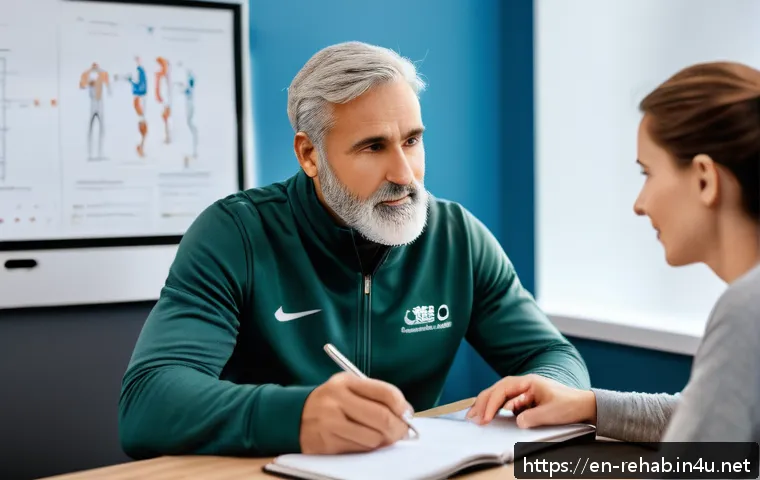
Connecting with experienced professionals and mentors can accelerate your growth dramatically. I can’t stress enough how valuable it was to have mentors who offered guidance, shared industry insights, and even helped me navigate tough situations.
Attending conferences and joining professional organizations provide excellent networking platforms. These relationships can lead to job referrals, collaborations, and lifelong friendships.
Don’t hesitate to reach out and ask questions—most people are happy to share their knowledge if you show genuine interest.
Balancing Workload and Preventing Burnout
Setting Realistic Client Loads and Boundaries
One hard lesson I learned the hard way is that overcommitting leads to burnout quickly. Early in my career, I took on as many clients as possible, thinking it would fast-track my success.
Instead, it left me exhausted and less effective. Setting realistic client loads and clear boundaries on your availability protects your energy and ensures you provide quality care.
Scheduling regular breaks and knowing when to say no are essential habits for long-term sustainability.
Prioritizing Self-Care and Professional Development
You can’t pour from an empty cup, and this couldn’t be truer in sports rehab. Taking care of your own physical and mental health is vital to stay sharp and motivated.
Whether it’s regular exercise, mindfulness practices, or simply downtime with family, self-care recharges you. Additionally, investing time in professional development keeps your work exciting and fresh, preventing stagnation.
I find that balancing these elements helps me bring my best self to clients every day.
Utilizing Support Systems and Resources
Having a support system—whether it’s colleagues, friends, or family—can make all the difference when things get tough. Sharing challenges and successes with others helps you gain perspective and avoid isolation.
Professional groups and online forums also provide valuable resources and advice. I’ve often turned to these communities when facing tricky cases or career decisions, and the input has been invaluable.
Remember, asking for help is a sign of strength, not weakness.
Leveraging Technology and Innovation in Practice
Incorporating Telehealth for Greater Reach
The rise of telehealth has transformed how sports rehabilitation can be delivered, and I’ve embraced this change wholeheartedly. Offering virtual sessions allows you to reach clients who might not otherwise have access to specialized care, whether due to location or scheduling conflicts.
While it’s not a complete substitute for hands-on treatment, telehealth works wonderfully for exercise supervision, education, and progress check-ins.
Plus, it adds flexibility to your schedule, which clients appreciate.
Using Data Analytics to Track Progress
Data-driven practice is becoming increasingly important, and tools that track client progress objectively can elevate your service. I started using apps that log pain levels, mobility scores, and adherence to exercises, which provides a clear picture of improvements or setbacks.
This transparency motivates clients and helps you make informed adjustments. Over time, I noticed that clients engaged more deeply with their rehab when they could see measurable progress in real time.
Exploring Emerging Therapies and Techniques
Staying open to new therapies like blood flow restriction training, regenerative medicine, or virtual reality rehabilitation can set you apart in the industry.
While not every innovation suits every client, being knowledgeable and skilled in emerging methods allows you to offer cutting-edge care. I’ve personally experimented with several techniques and found that integrating them thoughtfully enhances outcomes and keeps the work exciting.
Always balance innovation with evidence-based caution to maintain trust and safety.
| Key Aspect | Importance | Practical Tip | Potential Impact |
|---|---|---|---|
| Core Anatomy Knowledge | High | Regularly review anatomy using models and apps | Improved assessment accuracy |
| Assessment Skills | Critical | Practice palpation and movement tests on peers | Better injury diagnosis and rehab planning |
| Continuing Education | Essential | Attend workshops and subscribe to journals | Stay current with latest rehab protocols |
| Client Communication | Very Important | Develop active listening and motivational strategies | Higher client adherence and satisfaction |
| Technology Use | Growing | Incorporate apps and telehealth services | Enhanced client engagement and data tracking |
| Workload Management | Vital | Set client limits and maintain boundaries | Prevention of burnout and sustained performance |
Conclusion
Building a strong foundation in sports rehabilitation requires dedication to learning and practical experience. By combining solid anatomical knowledge, skilled assessment, and ongoing education, you can create personalized rehab plans that truly make a difference. Embracing technology and fostering clear communication with clients and teams further enhances outcomes. Remember, balancing your workload and investing in self-care is key to sustaining a long and successful career in this rewarding field.
Helpful Information
1. Consistently reviewing anatomy and physiology deepens your understanding and sharpens your clinical skills.
2. Hands-on practice with assessment techniques improves your accuracy in diagnosing and planning rehab.
3. Staying updated through workshops and research helps you apply the most effective, evidence-based methods.
4. Building strong relationships with clients increases motivation and adherence to rehabilitation programs.
5. Utilizing technology like telehealth and motion analysis tools enhances client engagement and progress tracking.
Key Takeaways
Success in sports rehabilitation hinges on mastering core anatomy and assessment skills, while continuously expanding your knowledge through education. Personalized rehab plans that balance rest and activity foster optimal recovery. Effective communication with clients and healthcare professionals strengthens trust and collaboration. Embracing technology alongside traditional methods boosts treatment quality. Lastly, managing your workload and prioritizing self-care are essential to avoid burnout and maintain long-term career growth.
Frequently Asked Questions (FAQ) 📖
Q: What educational background do I need to start a career in sports rehabilitation?
A: Typically, a bachelor’s degree in fields like kinesiology, physical therapy, or sports science is essential. Many professionals also pursue certifications in sports rehabilitation or athletic training to enhance their expertise.
Personally, I found that combining formal education with hands-on internships gave me the confidence and practical skills needed to excel in this field.
Q: How can I stand out in the competitive sports rehabilitation industry?
A: Building strong relationships with athletes and continuously updating your knowledge are key. I’ve seen that those who stay current with the latest rehabilitation techniques and technology, while demonstrating genuine care and communication skills, naturally attract more clients and referrals.
Volunteering at local sports events or clinics can also boost your visibility and credibility.
Q: What are the biggest challenges when working in sports rehabilitation, and how can I overcome them?
A: One major challenge is managing athletes’ expectations about recovery time and outcomes. From my experience, clear communication and setting realistic goals upfront helps build trust and keeps clients motivated.
Another challenge is staying resilient when progress is slow, but celebrating small wins and maintaining a positive attitude can make a huge difference in your own morale and your clients’ commitment.