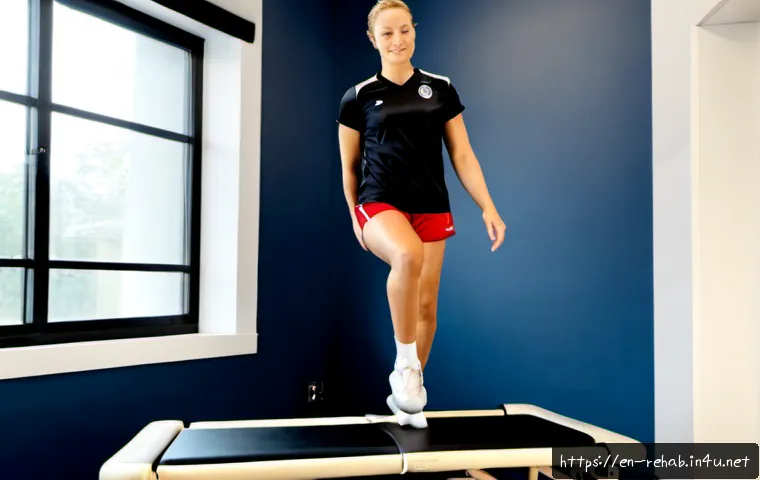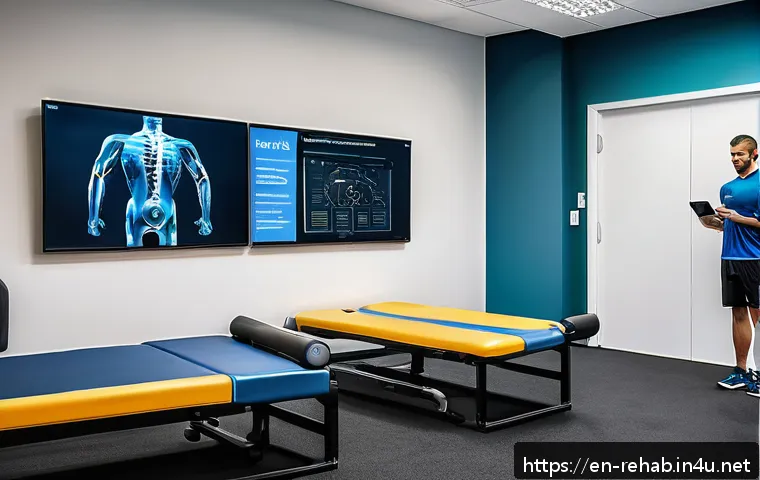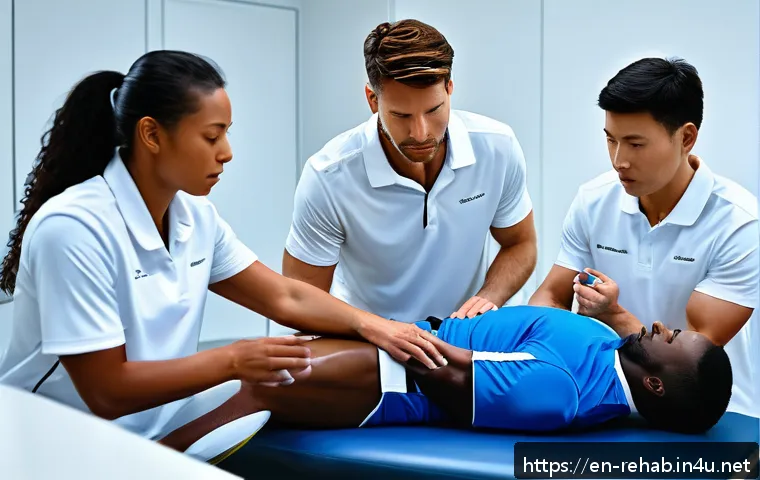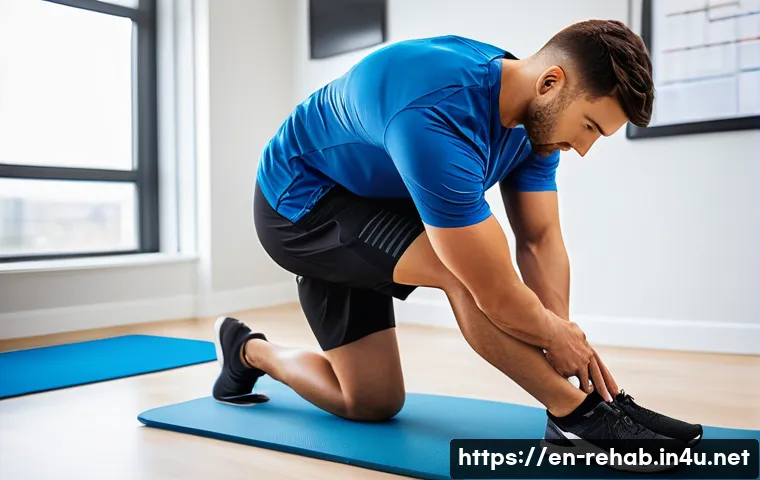
Stepping into the world of sports rehabilitation opened my eyes to a dynamic blend of science, empathy, and hands-on care. Watching athletes bounce back from injuries with tailored recovery plans was inspiring and truly rewarding.
This experience gave me a fresh perspective on how critical skilled support is in the healing process. If you’re curious about what a day in the life of a sports rehab specialist looks like and the challenges they face, you’re in the right place.
Let’s dive deep and get all the details you need!
Understanding the Day-to-Day Responsibilities of a Sports Rehabilitation Specialist
Assessing and Diagnosing Injuries
One of the first tasks each day involves thoroughly assessing the athlete’s injury. This isn’t just a quick glance; it requires a detailed evaluation of their physical state, pain levels, and mobility limitations.
I found that the ability to listen carefully and ask the right questions is as important as the physical tests themselves. Sometimes, subtle symptoms can reveal much about the extent of the injury, and catching these early can significantly influence recovery outcomes.
It’s a blend of science and intuition that really sets the foundation for a successful rehab plan.
Designing Tailored Rehabilitation Programs
Creating a recovery plan is where creativity meets expertise. Each athlete is unique, so cookie-cutter approaches just won’t cut it. I learned that effective programs balance physical therapy exercises, gradual load increases, and rest periods, all personalized to the athlete’s sport and injury severity.
It’s rewarding to see how adjusting even small details—like exercise intensity or frequency—can speed up healing and prevent setbacks. This part of the job demands constant learning and adapting, keeping up with the latest research and methods.
Hands-On Therapy and Progress Monitoring
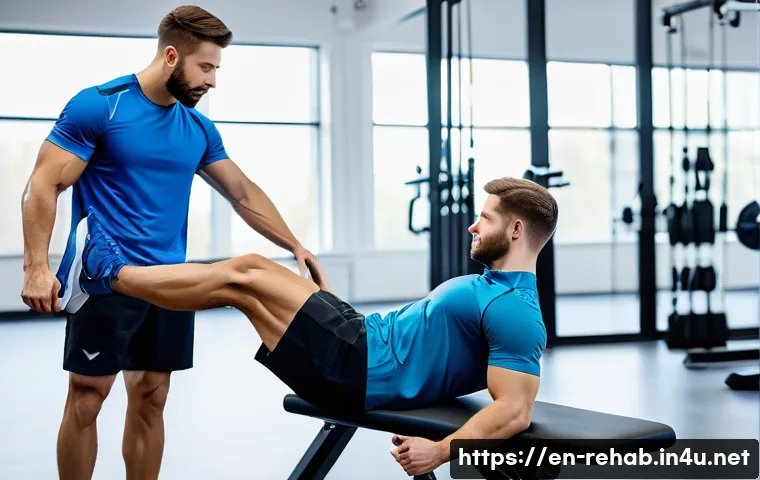
Delivering hands-on treatment—like manual therapy or guided exercise—is where the human connection truly shines. I noticed that athletes respond best when they feel supported and understood, not just treated as cases.
Monitoring progress means more than ticking boxes; it involves regular reassessments and adjusting plans as needed. The real challenge is balancing pushing athletes just enough to promote healing without risking further injury.
This dynamic interplay keeps the job engaging and deeply satisfying.
Key Skills and Traits That Make a Difference in Sports Rehabilitation
Empathy and Communication
Being empathetic is essential because injuries often bring emotional as well as physical struggles. I quickly realized that athletes open up more when they sense genuine care.
Clear communication helps set realistic expectations and keeps motivation high throughout recovery. Sharing progress milestones, no matter how small, can boost morale and foster trust.
It’s not just about what you say but how you listen that shapes the relationship.
Technical Expertise and Continuous Learning
The field is constantly evolving with new treatment techniques and research findings. I found that staying updated through workshops, certifications, and reading journals is crucial.
Practical knowledge about anatomy, biomechanics, and pain management underpins every decision. This expertise allows specialists to troubleshoot unexpected challenges and tailor interventions precisely.
It’s a demanding but exciting aspect that keeps the work fresh.
Patience and Problem-Solving
Rehabilitation isn’t a linear journey; setbacks and plateaus happen often. Patience is vital when progress stalls or complications arise. I learned to approach each hurdle as a puzzle, analyzing what might be causing the delay and brainstorming alternative strategies.
Celebrating small victories along the way helps maintain momentum. This resilience and adaptability are what separate good specialists from great ones.
Balancing Physical and Mental Recovery in Athlete Rehabilitation
Addressing Psychological Barriers
Physical healing is just one side of the coin. Athletes frequently face fear of re-injury, frustration, and anxiety, which can hinder recovery. I noticed that integrating mental health support—whether through counseling, relaxation techniques, or motivational coaching—can dramatically improve outcomes.
Encouraging open conversations about these challenges helps athletes feel less isolated and more empowered.
Motivating Through Goal Setting
Setting clear, achievable goals is a powerful tool. It turns abstract recovery into tangible targets, like regaining a certain range of motion or returning to specific drills.
I found that breaking down larger goals into bite-sized steps keeps athletes engaged and provides regular boosts of confidence. Celebrating these milestones together creates a positive feedback loop that fuels continued effort.
Creating a Supportive Environment
The rehab environment itself plays a huge role in recovery. I’ve seen firsthand how a welcoming, team-oriented atmosphere can reduce stress and encourage athletes to push through tough days.
Collaboration between therapists, coaches, and athletes fosters a sense of community and shared purpose. This holistic approach ensures that both body and mind are nurtured throughout the process.
Common Challenges Faced by Sports Rehabilitation Specialists
Dealing with Varied Injury Types and Severities
No two injuries are alike, which means specialists must be prepared for a vast spectrum—from minor strains to complex surgeries. I was often surprised by how unpredictable recovery timelines can be, requiring constant adjustments.
This variability demands a flexible mindset and a broad skill set to address each case effectively.
Managing Athlete Expectations
Athletes, especially competitive ones, often want quick fixes and immediate returns to play. I learned that managing these expectations delicately is critical.
Educating them about realistic recovery phases and potential setbacks helps reduce frustration and impatience. It’s a balancing act between being honest and maintaining hope.
Handling Administrative and Documentation Duties
Beyond hands-on care, thorough documentation is essential for tracking progress, insurance claims, and interdisciplinary communication. I found that while paperwork can be tedious, it’s a vital part of ensuring continuity and quality of care.
Efficient record-keeping tools and time management skills make this less burdensome.

Tools and Technologies Enhancing Sports Rehabilitation
Advanced Diagnostic Equipment
Modern rehab centers often utilize tools like ultrasound imaging, motion analysis systems, and wearable sensors. From my experience, these technologies provide invaluable data that guide precise treatment planning.
They help detect subtle issues invisible to the naked eye and objectively measure improvements over time.
Rehabilitation Software and Apps
Software platforms that track exercises, pain levels, and recovery metrics streamline communication between specialists and athletes. I personally found mobile apps useful for sending reminders and instructional videos, keeping athletes engaged even outside clinic hours.
This tech integration boosts adherence and accountability.
Innovative Therapeutic Devices
Devices like electrical stimulation units, cryotherapy machines, and pneumatic compression tools can accelerate healing and reduce discomfort. Using these alongside traditional manual therapy enhances overall effectiveness.
Learning to operate and customize these devices became an exciting part of my hands-on experience.
Typical Rehabilitation Phases and Their Characteristics
Initial Acute Phase
This phase focuses on reducing pain and inflammation immediately after injury. Rest, ice, compression, and elevation are commonly applied. I observed that patient education during this stage is vital to avoid aggravating the injury and to set realistic expectations about healing time.
Restoration of Mobility and Strength
Gradual introduction of range-of-motion exercises and strength training happens here. It’s crucial to balance activity and rest carefully. I found that overenthusiastic attempts to speed up this phase often led to setbacks, emphasizing the need for patience and precise monitoring.
Return to Sport and Prevention
The final phase emphasizes sport-specific drills, functional training, and injury prevention strategies. I witnessed how tailored conditioning programs reduce recurrence risk and prepare athletes mentally and physically for competitive demands.
Education on proper techniques and self-care is also reinforced here.
| Rehabilitation Phase | Main Focus | Typical Duration | Key Activities |
|---|---|---|---|
| Acute Phase | Pain and inflammation control | 1-2 weeks | Rest, ice, compression, elevation, education |
| Mobility & Strength Restoration | Regaining movement and muscle strength | 2-6 weeks | Range-of-motion exercises, gradual strengthening |
| Return to Sport | Functional recovery and prevention | 4-12 weeks | Sport-specific drills, conditioning, injury prevention |
Building Strong Relationships with Athletes and the Healthcare Team
Collaborating with Coaches and Physicians
Effective rehabilitation depends on teamwork. I noticed that maintaining open lines of communication with coaches and doctors ensures everyone is aligned on goals and progress.
This coordination helps adjust training loads and medical interventions seamlessly, creating a unified support system.
Empowering Athletes Through Education
Teaching athletes about their injuries, recovery processes, and prevention techniques fosters autonomy. I found that when athletes understand the “why” behind exercises or restrictions, they’re more motivated to comply and take ownership of their health.
This empowerment often leads to better long-term outcomes.
Celebrating Progress and Milestones
Acknowledging achievements, no matter how small, strengthens the therapist-athlete bond. I made it a point to highlight improvements regularly, which kept spirits high and reinforced trust.
These moments create positive emotional connections that make the grueling rehab journey more bearable and even enjoyable.
Concluding Thoughts
Working as a sports rehabilitation specialist is both challenging and deeply rewarding. It requires a blend of scientific knowledge, empathy, and adaptability to support athletes through their recovery journeys. Building strong relationships and staying committed to ongoing learning are key to making a real difference. Ultimately, helping athletes regain their strength and confidence is what makes this profession truly fulfilling.
Useful Information to Keep in Mind
1. Effective rehabilitation balances physical treatment with mental support to ensure holistic recovery.
2. Personalized programs tailored to each athlete’s unique needs lead to better outcomes than generic plans.
3. Clear communication and empathy strengthen trust and motivation throughout the recovery process.
4. Staying updated on the latest technologies and research enhances treatment effectiveness.
5. Patience and problem-solving skills are essential to navigate setbacks and maintain progress.
Essential Takeaways
Sports rehabilitation specialists play a vital role in guiding athletes through injury recovery by combining technical expertise with compassionate care. Success depends on individualized treatment plans, ongoing communication, and a supportive environment that nurtures both physical healing and mental resilience. Embracing continuous education and teamwork ensures specialists can adapt to diverse challenges and deliver optimal results. Above all, fostering trust and celebrating progress motivates athletes to reach their full potential safely and confidently.
Frequently Asked Questions (FAQ) 📖
Q: What does a typical day look like for a sports rehabilitation specialist?
A: A typical day involves assessing injured athletes, designing personalized recovery plans, and guiding them through exercises to regain strength and mobility.
It’s a hands-on role that mixes science with empathy, as you constantly adapt treatments based on progress and setbacks. I’ve found that each day can be unpredictable, but seeing athletes improve makes every challenge worthwhile.
Q: What are the biggest challenges faced in sports rehabilitation?
A: One major challenge is managing the emotional and psychological impact of injuries on athletes. Recovery isn’t just physical—it requires patience and motivation.
Another hurdle is customizing plans for different sports and injury types, which demands deep knowledge and flexibility. From my experience, clear communication and building trust with clients are key to overcoming these obstacles.
Q: How important is empathy in the role of a sports rehab specialist?
A: Empathy is absolutely crucial. Athletes often feel frustrated or anxious during recovery, so understanding their feelings helps create a supportive environment.
When I connect on a personal level, it boosts their confidence and encourages adherence to the rehab plan. This emotional support can significantly influence the speed and success of healing.