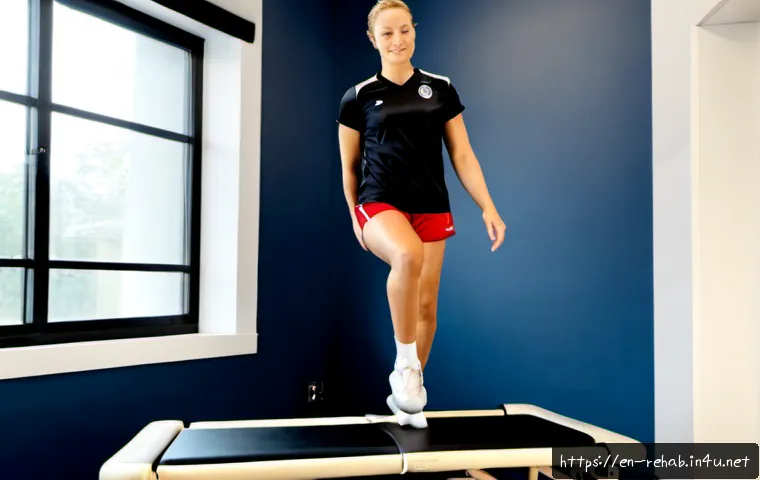
Muscle rehabilitation plays a crucial role in helping athletes and active individuals recover from injuries and regain strength. As a sports rehabilitation specialist, understanding the latest techniques and evidence-based practices is essential to provide effective care.

From tailored exercise programs to innovative therapies, muscle rehab focuses on restoring function and preventing future injuries. The journey to full recovery is often challenging but rewarding, requiring patience and expert guidance.
Let’s dive deeper into the key muscle rehabilitation techniques and how they can transform recovery outcomes. We’ll break it down clearly for you!
Customized Exercise Strategies for Optimal Muscle Recovery
Assessing Individual Needs and Injury Specifics
Each athlete’s injury is unique, so a one-size-fits-all approach simply doesn’t cut it. When I work with clients, the first step is a thorough assessment to identify the exact muscles affected, the severity of the injury, and any compensatory movement patterns.
This detailed evaluation allows me to design exercise programs that target weak points while protecting vulnerable areas. For example, a hamstring strain in a sprinter requires very different rehab exercises compared to a rotator cuff injury in a baseball pitcher.
Tailoring rehab based on individual factors accelerates healing and helps avoid unnecessary setbacks.
Progressive Loading and Functional Movements
One key principle I rely on is progressive loading—starting with gentle, pain-free movements and gradually increasing intensity. This approach encourages muscle fibers to rebuild without being overwhelmed.
I typically incorporate closed-chain exercises early on, such as partial squats or wall push-ups, which promote joint stability. As strength improves, the program evolves to include more dynamic and sport-specific drills that mimic real-life activities.
For instance, a basketball player might transition from stationary balance work to lateral jumps and cutting maneuvers. This progression not only restores muscle function but also retrains neuromuscular control to prevent re-injury.
Incorporating Mobility and Flexibility Work
Often overlooked, restoring proper range of motion is just as important as rebuilding strength. In my experience, tight muscles and limited joint mobility can hinder recovery and create imbalances that lead to future injuries.
I include targeted stretching routines and myofascial release techniques like foam rolling to enhance tissue elasticity. This helps athletes regain full movement potential and reduces stiffness.
For example, after a quad strain, gentle static stretches combined with soft tissue massage around the thigh improve flexibility and blood flow, speeding up the repair process.
Innovative Modalities to Enhance Healing
Utilizing Electrical Stimulation Therapy
Electrical stimulation has become a game changer in muscle rehabilitation. When I apply this modality, it helps reduce pain, decrease muscle spasms, and promote tissue healing by enhancing blood circulation.
I’ve seen clients respond well to neuromuscular electrical stimulation (NMES), which activates muscles that are inhibited due to injury. This is particularly useful during early rehab phases when voluntary muscle contraction is limited.
For example, after knee surgery, NMES can assist in preventing muscle atrophy while maintaining neural pathways.
Integrating Cold and Heat Therapies
The strategic use of cold and heat therapies plays a vital role in managing inflammation and improving recovery outcomes. Cold therapy, such as ice packs or cold compression, is most effective immediately post-injury to reduce swelling and numb pain.
On the other hand, heat therapy helps relax tight muscles and increase circulation during the later stages of rehab. In practice, alternating between these two can accelerate healing.
I usually educate athletes on how to apply these modalities independently, empowering them to manage symptoms between sessions.
Exploring Emerging Technologies
Staying updated with cutting-edge technology is part of my job. Recently, I’ve incorporated techniques like blood flow restriction (BFR) training, which allows muscle strengthening at lower loads, minimizing joint stress.
Similarly, shockwave therapy is gaining traction for chronic tendinopathies by stimulating tissue regeneration. These advances offer new hope for stubborn injuries that don’t respond to traditional methods.
Of course, I always evaluate the suitability of these options on a case-by-case basis, ensuring they complement the overall rehab plan.
Nutrition’s Role in Muscle Repair and Strength
Optimizing Protein Intake for Muscle Synthesis
From my experience working with athletes, nutrition is a cornerstone of effective muscle rehabilitation. Protein is essential for repairing damaged muscle fibers and promoting hypertrophy.
I usually recommend consuming high-quality protein sources like lean meats, dairy, and plant-based options spread throughout the day to maximize muscle protein synthesis.
For example, a post-workout shake with whey protein can jumpstart recovery by providing readily absorbable amino acids.
Supporting Recovery with Micronutrients and Hydration
Beyond macronutrients, micronutrients like vitamin C, zinc, and magnesium play critical roles in collagen formation and muscle function. I encourage clients to maintain a balanced diet rich in fruits, vegetables, and nuts to meet these needs naturally.
Proper hydration is equally vital, as it supports cellular repair and reduces muscle cramps. I’ve noticed athletes who neglect hydration often report prolonged soreness and fatigue.
Therefore, drinking enough fluids before, during, and after rehab sessions is a simple yet powerful strategy.
Timing and Supplementation Considerations
When it comes to timing, nutrient intake around exercise sessions can significantly influence recovery speed. Consuming carbohydrates alongside protein shortly after rehab workouts replenishes glycogen stores and enhances muscle repair.
Additionally, some supplements like omega-3 fatty acids and collagen peptides have shown promising benefits in reducing inflammation and improving tendon health.
While I don’t push supplements as a magic fix, they can be valuable adjuncts when integrated thoughtfully into the nutrition plan.
Psychological Factors Impacting Muscle Recovery

Addressing Fear of Reinjury
One challenge I frequently encounter is the psychological barrier athletes face when returning from injury. Fear of reinjury can lead to hesitation, altered movement patterns, and decreased performance.
I make it a point to build trust and educate clients about the safety and progression of their rehab exercises. Encouraging small wins and celebrating milestones helps rebuild confidence.
For example, guiding a soccer player through controlled cutting drills can restore their belief in their body’s resilience.
Motivation and Consistency in Rehab Programs
Sticking to a rehabilitation program can be tough, especially when progress feels slow. I find that setting realistic goals and involving athletes in their treatment decisions boosts motivation.
Regular feedback and tracking improvements create a sense of accomplishment. Sometimes, I incorporate technology like apps or wearable devices that provide immediate data, making rehab more engaging.
This consistency is crucial because even the best-designed program fails without patient commitment.
Incorporating Mind-Body Techniques
Mindfulness, breathing exercises, and visualization can complement physical rehab by reducing stress and improving focus. I’ve observed clients who practice these techniques report less pain and better adherence to rehab routines.
For example, guided imagery where athletes mentally rehearse successful movements can enhance neuromuscular coordination. These strategies foster a holistic recovery process, addressing both body and mind.
Balancing Rest and Activity for Optimal Healing
Understanding the Importance of Controlled Rest
While it might sound counterintuitive, rest is an active component of muscle rehabilitation. Immediately after injury, allowing tissues time to begin healing without undue stress is critical.
However, complete immobilization often does more harm than good, leading to stiffness and muscle wasting. I educate athletes about the difference between rest and inactivity, recommending short breaks interspersed with gentle movement to promote circulation and prevent scar tissue buildup.
Gradual Return to Activity and Load Management
Returning to normal activity too quickly is a recipe for setbacks. I emphasize a gradual ramp-up in exercise intensity and volume, tailored to the individual’s progress.
Load management strategies, such as alternating hard and easy days or cross-training with low-impact activities, help reduce overload risk. For example, a runner rehabbing a calf strain might substitute swimming sessions early on to maintain cardiovascular fitness without stressing the injured muscle.
Signs to Watch for Overtraining and Setbacks
Recognizing when the body needs more recovery is essential. Persistent pain, swelling, or decreased performance are red flags signaling overtraining or inadequate healing.
I encourage athletes to be honest about symptoms and communicate openly during sessions. Early intervention can prevent minor issues from becoming chronic problems.
By fostering this awareness, we create a safer, more effective rehab journey.
Key Muscle Rehabilitation Techniques at a Glance
| Technique | Main Benefits | Typical Use Case | Considerations |
|---|---|---|---|
| Progressive Resistance Training | Builds strength, improves muscle endurance | Post-strain or tear rehab | Start low intensity, increase gradually |
| Neuromuscular Electrical Stimulation (NMES) | Prevents atrophy, enhances muscle activation | Early post-surgery or immobilization | Requires professional guidance |
| Cold and Heat Therapy | Reduces inflammation, promotes blood flow | Acute injury (cold), chronic tightness (heat) | Timing and duration critical |
| Myofascial Release and Stretching | Improves flexibility, reduces muscle tension | After muscle strains, chronic tightness | Should be pain-free |
| Blood Flow Restriction (BFR) Training | Strength gains with low load | Rehabilitation with joint limitations | Must monitor pressure carefully |
| Mind-Body Techniques | Enhances focus, reduces pain perception | Throughout rehab phases | Complementary, not standalone |
In Conclusion
Effective muscle recovery hinges on personalized strategies that address the unique needs of each individual. Combining progressive exercise, innovative therapies, proper nutrition, and psychological support creates a well-rounded rehab plan. By balancing rest and activity thoughtfully, athletes can regain strength and confidence while minimizing the risk of setbacks. Consistency and mindful adjustments throughout the process are key to optimal healing and long-term performance.
Useful Tips to Remember
1. Always start rehabilitation with a detailed assessment to tailor exercises to your specific injury and needs.
2. Gradually increase exercise intensity to rebuild strength without overwhelming the healing muscles.
3. Incorporate mobility work like stretching and foam rolling to maintain flexibility and prevent stiffness.
4. Use cold and heat therapies strategically to manage inflammation and promote circulation during different recovery phases.
5. Stay motivated by setting realistic goals and using mind-body techniques to reduce stress and improve focus.
Key Takeaways for Successful Muscle Recovery
Personalized rehabilitation programs that integrate progressive loading and functional movements accelerate healing while protecting injured areas. Innovative modalities like electrical stimulation and emerging technologies can enhance muscle activation and tissue repair when used appropriately. Nutrition plays a vital role in supporting muscle synthesis and reducing inflammation, so balanced meals and proper hydration are essential. Addressing psychological barriers such as fear of reinjury and maintaining motivation are critical for consistent progress. Finally, balancing controlled rest with gradual return to activity helps prevent overtraining and setbacks, ensuring a safer and more effective recovery journey.
Frequently Asked Questions (FAQ) 📖
Q: How soon should I start muscle rehabilitation after an injury?
A: The timing for starting muscle rehabilitation really depends on the type and severity of the injury. Generally, once the initial pain and swelling decrease, gentle movement and light exercises can begin to prevent stiffness and muscle atrophy.
In my experience working with athletes, starting rehab within a few days to a week after injury, under professional guidance, leads to better outcomes.
However, pushing too hard too soon can cause setbacks, so it’s crucial to follow a tailored plan designed by a specialist.
Q: What are some of the most effective muscle rehabilitation techniques currently used?
A: From what I’ve seen and applied in clinical practice, a combination of tailored exercise programs, manual therapy, and modalities like electrical stimulation or ultrasound therapy offers great results.
Eccentric strengthening exercises and proprioceptive training are particularly effective for restoring muscle function and preventing re-injury. Innovative approaches like blood flow restriction training have also gained popularity because they help build strength with less stress on injured tissues.
The key is customizing these techniques to each individual’s needs and progress.
Q: How can I prevent future muscle injuries after completing rehabilitation?
A: Prevention is definitely a big part of successful rehab. Based on what I’ve observed, maintaining a consistent strength and flexibility routine is essential.
Incorporating functional movements that mimic your sport or daily activities helps your muscles adapt and stay resilient. Also, paying attention to proper warm-up and cool-down habits reduces injury risk.
Don’t underestimate the importance of adequate rest and nutrition too—they play a major role in muscle recovery and overall performance. Regular check-ins with a rehab specialist can help catch any imbalances before they turn into problems.