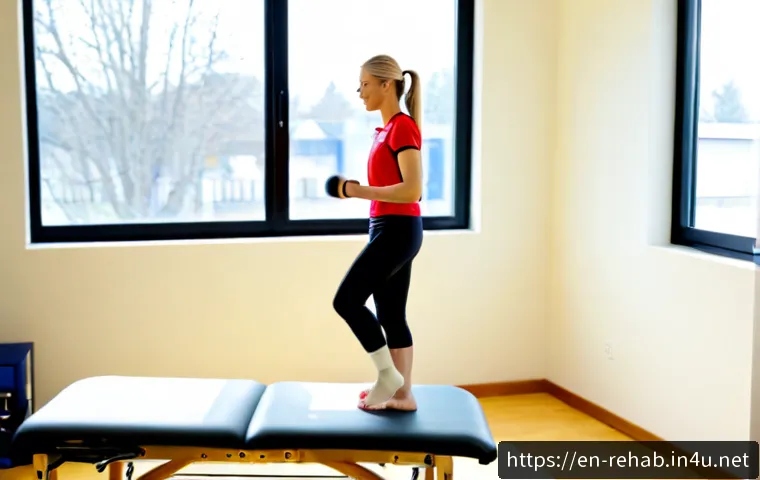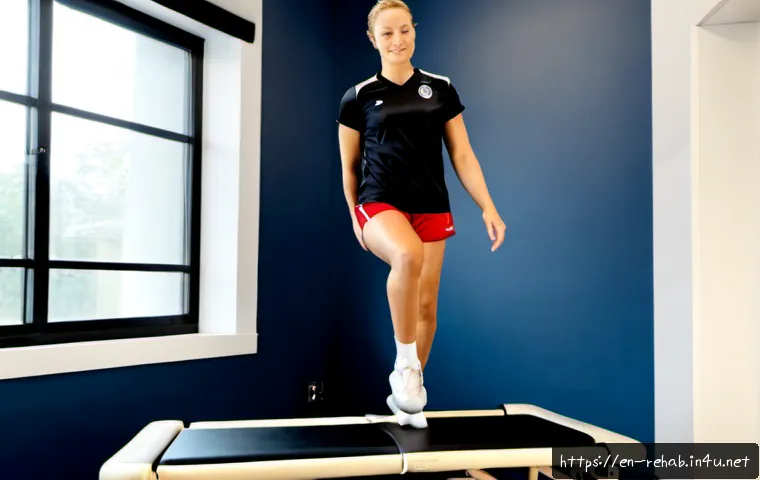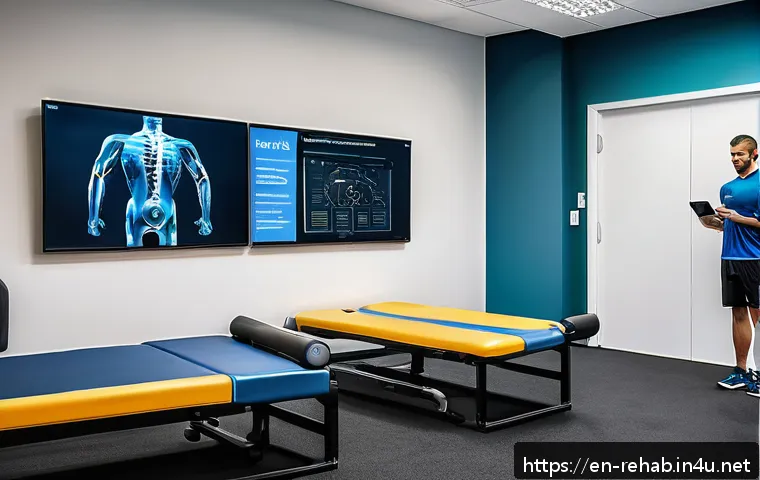
The best sports rehabilitation career change is the one that matches your legal scope, preferred work setting, and realistic investment level—not the most impressive-sounding job title.

Start by deciding whether you need a credential upgrade, a different employer, or a practical business plan before paying for another course. Clinical, performance, private-practice, and non-clinical routes can all use rehabilitation experience, but they differ sharply in responsibility, compliance, and income structure.
Continuing education may strengthen your skills, yet it does not automatically expand what you are legally allowed to assess or treat. A careful comparison of professional certification, liability coverage, software needs, and local demand can prevent an expensive detour.
The goal is a transition that is credible, sustainable, and appropriate for your market.
At a Glance
- Need a credential upgrade first if your target role requires regulated registration, supervised experience, or an examination.
- Need an employer change first if your current qualifications already fit a clinical, performance, or wellness role with better progression.
- Need a business plan first if you want independent work and must manage pricing, consent, scheduling, records, and liability exposure.
| Career Path | Main Focus | Common Cost Categories | Key Decision Factor |
|---|---|---|---|
| Clinical rehabilitation employment | Patient care within an approved clinical scope | Education, registration, examinations, supervised experience, continuing education | Whether your local rules and employer requirements permit the role |
| Strength and performance | Coaching, conditioning, and return-to-training support | Performance certifications, continuing education, travel, professional insurance | Whether the work stays within coaching and performance responsibilities |
| Private practice | Independent client services | Liability insurance, scheduling tools, practice-management software, marketing, recordkeeping | Local scope, client demand, operating costs, and compliance capacity |
| Non-clinical roles | Education, health technology, equipment, sales, or program coordination | Role-specific training, portfolio development, networking | How well your rehabilitation knowledge transfers to the employer’s needs |
Start With the Career Outcome, Not the Job Title
A title such as “sports rehabilitation specialist” can mean very different things across employers and locations. Begin with the work you actually want to do: clinical responsibility, athlete performance support, flexible self-employment, or work away from direct client care. This is more useful than choosing a title first and trying to make your credentials fit later.
Identify the Work You Want to Do
If you want to assess, diagnose, treat, or bill for clinical services, your first question is whether that work is permitted under your current credential. If you prefer training environments, you may be more interested in strength coaching, return-to-training support, or team-based performance work. If flexibility matters most, private practice may be appealing, but autonomy also brings administration, marketing, consent processes, and financial risk. Non-clinical roles can suit professionals who enjoy communication, systems, or commercial work more than hands-on care.
Check Local Scope and Employer Requirements First
Protected titles, clinical duties, and registration requirements vary by country, state, province, and employer. Before enrolling in a professional certification program, review the target employer’s job description and the relevant local regulatory guidance. A course may be useful for skill development while still being insufficient for a regulated position.
Three Questions That Narrow the Path
- Does my target role require a regulated healthcare credential, registration, or supervised experience?
- Do I want income based mainly on employment, coaching contracts, direct clients, or non-clinical business work?
- Can my current skills transfer now, or is there one essential gap that must be closed first?
Compare the Main Career Paths in Sports Rehabilitation
Clinical Rehabilitation Roles
Clinical employment may offer structured progression, established referral environments, and clearer responsibility boundaries. It can also require additional education, examinations, background checks, registration, or supervised practice. The strongest fit is usually someone who wants formal clinical responsibility and is willing to meet the requirements of the local system.
Do not assume that experience with athletes alone qualifies you for every clinical role. Employers may set standards beyond the minimum legal requirement, particularly where documentation, referral relationships, and insurance billing are involved.
Strength and Performance Roles
Performance roles can include coaching, conditioning, movement support, and return-to-training work. These settings may be attractive if you enjoy athlete development and team environments. Your rehabilitation background can be valuable, but performance support is not automatically clinical treatment. Keep your language, services, and client expectations aligned with your permitted scope.
Private Practice
Private practice offers control over your schedule, niche, and client experience. It also requires you to manage pricing, scheduling, records, consent, privacy, professional liability insurance, marketing, and client acquisition. A practice-management software comparison can help you evaluate documentation workflows, scheduling features, and recordkeeping needs before committing to a system.
Independence is not the same as immediate demand. Consider whether you have a clear client population, appropriate referral relationships, enough available time, and a compliant way to deliver services under your current credentials.
Non-Clinical Options
Rehabilitation experience can transfer into education, equipment, health technology, sales, workplace wellness, and program coordination. These paths may reduce direct clinical risk while using your understanding of movement, recovery, client communication, and service delivery. They can be especially practical when a person wants career variety without pursuing a new regulated healthcare qualification.
Evaluate Training Costs and Career Value Before You Enroll
Required Credentials Versus Optional Certifications
Separate qualifications into two categories: required for entry and useful but optional. Required qualifications are tied to law, registration, employer policy, or a specific job requirement. Optional courses may improve confidence, technique, or marketing, but they should not be treated as proof that your legal scope has changed.
Build a Realistic Transition Budget
Do not compare tuition alone. Your budget may include examinations, background checks, professional liability coverage, continuing education, clinic software, scheduling tools, recordkeeping systems, and time away from paid work. A private-practice plan may also involve marketing, consent documentation, and administrative support.
Compare Value Through Demand and Transferability
A training program has stronger career value when it clearly supports a role you can legally pursue, is recognized by relevant employers, and builds skills you can use across settings. Consider the earning model as well: employment income, contract work, direct client services, or business-related compensation all have different risks and operating costs.
Warning Signs Before You Buy a Course
- The provider is unclear about whether the course changes legal scope or registration status.
- The course focuses on title appeal but does not match local employer requirements.
- The expected role depends on insurance billing or independent treatment authority you may not have.
- You cannot explain how the training closes a specific skills gap in your transition plan.
Build a Low-Risk Transition Plan While You Are Still Employed
Audit Your Current Assets
List your current education, permitted duties, case experience, coaching background, communication skills, and professional contacts. Then compare them with the target role. This often reveals that the gap is smaller than expected—or that one major credential issue must be addressed before anything else.
Close the Highest-Priority Gap First
Avoid collecting unrelated certificates. If a target role requires registration, supervised experience, or a particular employer-recognized qualification, address that first. If the role is non-clinical, a portfolio, product knowledge, communication ability, or industry relationships may matter more than another hands-on course.

Create a Credible Portfolio
Show your process without making unsupported clinical claims. You might present educational materials, program frameworks, coaching approaches, anonymized project examples where appropriate, or evidence of continuing education. Keep descriptions accurate and do not imply authority to diagnose or treat if that authority is not part of your scope.
Test the Niche Before a Full Commitment
Informational interviews, supervised opportunities, contract work, and employer conversations can help you understand real expectations. This is especially useful before launching a private service or paying for a long credential pathway. Ask what qualifications the role actually requires, how referrals work, and which operational skills are most valuable.
Avoid Scope, Compliance, and Business Mistakes
Do Not Assume a Course Changes Your Authority
Continuing education builds knowledge; it does not automatically expand legal scope of practice. Check your local rules, registration body, insurer requirements, and employer policy before offering a new service or using a new title.
Keep Clinical and Performance Work Distinct Where Needed
Education, fitness, and performance coaching may overlap with rehabilitation goals, but they are not automatically interchangeable. Be precise about what you provide, what you do not provide, and when a client may need another qualified professional.
Plan for Documentation and Liability
Independent work requires more than technical skill. Consider consent processes, privacy responsibilities, recordkeeping, professional liability insurance, and a scheduling workflow that fits your services. When comparing liability coverage or practice-management software, look for terms that match your actual role and local requirements.
Price Only After Reviewing Operating Costs
A rate is not meaningful until you account for the time spent on preparation, documentation, scheduling, follow-up, marketing, software, insurance, and unpaid administrative work. A private-practice model can be viable, but only after you understand the workload behind each client-facing hour.
Choosing the Right Path: Decision Criteria and Comparison Summary
Best Fit for Stable Employment and Structured Progression
Clinical employment may be the best fit if you value a defined role, formal progression, and established systems. Confirm the regulated credential and employer criteria before investing in additional training.
Best Fit for Athlete-Focused Environments
Performance work may fit professionals who prefer coaching, conditioning, and return-to-training settings. Choose credentials that employers in your target environment recognize, while staying clear about scope boundaries.
Best Fit for an Independent Service
Private practice may suit professionals with a defined audience, suitable authority to provide the intended service, and willingness to manage operations. A business plan should come before branding, advertising, or major software commitments.
Final Checklist: Credential Relevance, Demand, Cost Exposure, and Lifestyle Fit
- Credential relevance: Is the qualification legally or professionally required for the exact role?
- Local demand: Are there employers, referral sources, or clients for this service in your area?
- Cost exposure: Have you included training, examinations, insurance, software, and lost work time?
- Business readiness: Can you handle consent, records, privacy, scheduling, and client communication?
- Lifestyle fit: Does the work pattern match your preferred hours, income model, and tolerance for risk?
Before choosing a course, policy, or platform, review the official eligibility details, coverage terms, and feature conditions on the relevant provider page.
Final Thoughts
A career change in sports rehabilitation does not always require starting over. In many cases, the smarter move is to identify the one barrier between your current experience and the work you want to do. Verify scope and employer requirements before spending on credentials. If private practice is your goal, treat operations and compliance as seriously as technical skill. A focused transition plan is usually more valuable than a long list of unrelated certificates.
Useful Information to Know
1. Job titles can be protected or used differently across locations.
2. Employer policy may be more restrictive than a general job title suggests.
3. Professional liability insurance should match the services you actually provide.
4. Scheduling and practice-management tools can reduce administrative burden, but they do not replace compliant processes.
5. Informational interviews can reveal requirements that course marketing does not explain.
Important Considerations
This article provides general career-planning information, not legal, regulatory, insurance, or financial advice. Requirements for registration, clinical practice, diagnosis, treatment, insurance billing, privacy, and independent services depend on your country, state, province, credential, employer, and insurer. Confirm current requirements with the appropriate regulator, employer, professional body, and insurance provider before changing services or investing in training.
Frequently Asked Questions
Q1. Do I need another certification to change careers in sports rehabilitation?
A1. Not always. You may need additional education, supervised experience, an examination, registration, or an employer-specific qualification if the target role is regulated or has formal entry requirements. For other roles, your existing experience may transfer well. Check the local scope rules and the employer’s criteria before enrolling.
Q2. Is starting a private sports rehabilitation practice worth the cost?
A2. It depends on whether you can legally provide the intended services, attract an appropriate client population, and cover operational responsibilities. Review professional liability coverage, documentation needs, consent processes, scheduling tools, practice-management software, marketing demands, and available time before deciding.
Q3. Which sports rehabilitation career path offers the best balance of income and flexibility?
A3. There is no single best path because income potential depends on location, credentials, referral relationships, employment model, client population, and operating costs. Employment may provide more structure, performance work may offer athlete-focused variety, and private practice may provide more control with greater business responsibility. Choose based on your permitted scope, risk tolerance, and lifestyle priorities.