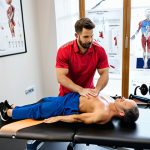
Hey there, fellow fitness enthusiasts and aspiring athletes! You know, we often push our bodies to the limits, striving for new personal bests and achieving those incredible sporting goals.
But what happens when an injury throws a wrench in your plans? It’s more than just physical pain, isn’t it? I’ve personally seen how a setback can mess with your head, leaving you feeling frustrated, anxious, and even questioning your entire athletic identity.
That gut-wrenching feeling of being sidelined? It’s tough, really tough. For too long, the focus has been solely on patching up the body, but what about the mind?
The latest trends in sports medicine are finally embracing a truly holistic approach, recognizing that mental resilience is just as vital as physical strength when it comes to recovery and returning to peak performance.
We’re talking about everything from cutting-edge physical therapy techniques to the incredible power of rehabilitation psychology, which equips athletes with essential tools like goal setting, visualization, and stress management to navigate the emotional rollercoaster of injury.
It’s about building a foundation for both physical and psychological well-being, ensuring you don’t just come back, but come back stronger and more confident than ever.
Ready to uncover the full story and arm yourself with the knowledge to conquer any challenge? Let’s dive in and explore the critical roles of sports rehabilitation and rehabilitation psychology!
The Game Has Changed: Modern Approaches to Physical Rehabilitation

You know, back in the day, it felt like sports injury recovery was all about rest, ice, compression, elevation – the RICE protocol, right? And while those are still foundational, the landscape of physical rehabilitation has utterly transformed.
It’s not just about getting back to 80% anymore; it’s about pushing the boundaries of what’s possible, using cutting-edge science and a deep understanding of biomechanics to not just heal, but to enhance performance.
I’ve personally seen athletes, especially after significant injuries like an ACL tear, come back stronger, faster, and more agile than before because of these advancements.
We’re talking about personalized protocols, often involving sophisticated diagnostic tools that pinpoint imbalances you didn’t even know you had. Therapists are now like detectives, meticulously analyzing movement patterns, correcting asymmetries, and building truly robust foundations.
It’s a painstaking process, but believe me, the results speak for themselves. This isn’t your grandma’s physical therapy; it’s a dynamic, evolving field that’s continually integrating new research to optimize every single facet of an athlete’s physical recovery journey.
It’s truly inspiring to witness.
Revolutionizing Recovery: Beyond Traditional Methods
Modern physical rehabilitation centers are buzzing with innovative techniques that go far beyond simple exercises. Think about things like blood flow restriction (BFR) training, which allows athletes to gain strength and muscle mass with much lighter loads, speeding up early-stage recovery without stressing damaged tissues.
Then there’s advanced manual therapy, where skilled practitioners use their hands to mobilize joints, release tight muscles, and restore proper movement mechanics.
I remember a friend struggling with persistent shoulder pain, and it wasn’t until a therapist introduced him to intricate myofascial release techniques combined with specific corrective exercises that he finally found lasting relief.
These aren’t just fads; they’re evidence-based practices that, when applied correctly, can dramatically accelerate healing and ensure a more complete return to sport.
It’s about being proactive and precise, not just reactive, in addressing the body’s needs.
Precision Training: Building Resilience from the Ground Up
One of the most exciting aspects of contemporary rehab is the focus on building foundational strength and resilience that actually *prevents* future injuries.
It’s not just about treating the injury you have, but safeguarding against the ones you might get. This often involves highly specific, functional training that mimics movements from your sport, but with controlled resistance and perfect form.
Think about plyometrics, balance drills, and proprioceptive exercises that re-educate your body on how to move efficiently and safely under stress. When I was dealing with a nagging ankle issue a few years back, my therapist didn’t just strengthen my ankle; they identified weaknesses in my glutes and core that were contributing to the problem.
Addressing those underlying issues was a game-changer, and I felt more stable and powerful on the field than ever before. It’s a holistic view of the body, understanding that every part plays a role in overall athletic function.
Mending the Mind: The Indispensable Role of Rehabilitation Psychology
It’s a truth universally acknowledged among athletes, yet often overlooked in traditional recovery: injuries don’t just break bones or tear ligaments; they can shatter confidence, ignite anxiety, and frankly, make you feel lost.
This is where rehabilitation psychology steps in, and honestly, it’s a non-negotiable component of a truly successful comeback. I’ve seen firsthand how an athlete’s mental state can be the single biggest determinant of their recovery trajectory.
The emotional rollercoaster is real – the anger, the frustration, the fear of re-injury, the feeling of isolation from your team. A skilled rehabilitation psychologist provides a safe space to process these intense emotions, offering strategies to manage stress, stay motivated, and maintain a positive outlook even when progress feels agonizingly slow.
It’s about building mental fortitude and equipping athletes with a psychological toolkit to navigate the inevitable ups and downs of an injury layoff.
This isn’t “fluffy” stuff; it’s robust, evidence-based intervention that directly impacts physical healing and performance.
Beyond the Blues: Addressing the Emotional Toll of Injury
Let’s be real, an injury isn’t just a physical inconvenience; it’s a profound identity crisis for many athletes. Your sport often defines a huge part of who you are, and when that’s taken away, even temporarily, it can lead to feelings of depression, anxiety, and a significant loss of purpose.
Rehabilitation psychologists are experts in helping athletes navigate these turbulent waters. They’ll work with you on developing healthy coping mechanisms, recognizing the signs of burnout or excessive anxiety, and finding alternative ways to maintain your sense of self-worth outside of your athletic achievements.
I know one athlete who, after a career-threatening injury, found immense solace and a renewed sense of purpose by mentoring younger players, which was a strategy suggested by her psychologist.
It’s about empowering athletes to maintain their mental well-being, even when their physical body is compromised.
Building Mental Fortitude: Strategies for a Stronger Mindset
Rehabilitation psychology isn’t just about managing negative emotions; it’s also about proactively building mental strength and resilience. This includes teaching invaluable skills like self-talk, imagery, and mindfulness.
Imagine being able to visualize your successful return to play, feeling every powerful stride or perfect shot, even when you’re still on crutches. That’s the power of guided imagery!
Psychologists also help athletes set realistic yet challenging goals, breaking down the overwhelming journey into manageable steps, which keeps motivation high.
I’ve seen athletes who learned to reframe setbacks as opportunities for growth, developing a level of mental toughness that served them not just in their sport, but in every aspect of their lives.
It’s about turning adversity into an advantage, transforming a challenging period into a catalyst for profound personal and athletic development.
The Power Duo: When Physical and Mental Health Collide for Optimal Recovery
Honestly, seeing physical therapists and rehabilitation psychologists working hand-in-hand is truly the gold standard, and it’s where the magic really happens.
This integrated approach acknowledges that the body and mind are inextricably linked, and you simply cannot treat one effectively without considering the other.
When an athlete feels confident and mentally prepared, their physical recovery often accelerates, and conversely, as they regain physical strength, their mental well-being naturally improves.
I remember a soccer player I knew who was struggling immensely with fear of re-injury after a hamstring tear. Her physical therapy was stalled because she was constantly holding back.
It wasn’t until her PT coordinated closely with her sports psychologist, who helped her address those fears through visualization and cognitive restructuring, that she truly unleashed her full potential in rehab and made a rapid, strong return to the field.
This seamless collaboration ensures that both physiological and psychological barriers to recovery are addressed comprehensively and simultaneously, creating a truly robust and holistic healing environment.
It’s a powerful combination that optimizes every facet of the comeback journey.
Integrated Care: A Synergistic Approach to Healing
The best rehabilitation programs today champion an integrated care model where physical therapists, sports medicine doctors, and rehabilitation psychologists communicate openly and often.
This multidisciplinary team shares insights, identifies potential roadblocks – both physical and mental – and devises a unified treatment plan tailored specifically for the individual athlete.
For instance, a physical therapist might notice an athlete is exhibiting excessive fear during certain movements, and they can immediately relay this to the psychologist.
The psychologist can then address the underlying anxiety, perhaps through exposure therapy or relaxation techniques, making the physical therapy sessions more effective and less intimidating.
This isn’t just about efficiency; it’s about creating a cohesive, supportive environment where the athlete feels fully understood and cared for, not as a collection of symptoms, but as a whole person striving for recovery.
Bridging the Gap: Overcoming Psychological Barriers to Physical Progress
It’s astounding how often psychological factors can impede physical recovery. Pain tolerance, motivation levels, adherence to rehab exercises, and even muscle activation can all be significantly impacted by an athlete’s mental state.
A rehabilitation psychologist can help an athlete differentiate between actual pain and fear-avoidance behaviors, or between healthy caution and debilitating anxiety.
They might use biofeedback to help an athlete gain better control over physiological responses, or teach progressive muscle relaxation to reduce tension that can hinder flexibility and strength gains.
I personally saw a basketball player whose knee wasn’t responding well to PT after surgery, and it turned out he was subconsciously guarding it due to a deep-seated fear of another surgery.
Once he worked through that fear with a psychologist, his range of motion improved almost immediately. This synergy between mind and body is truly remarkable, and tapping into it is key for full recovery.
Setting Your Sights: Goal-Oriented Recovery Strategies
You know that feeling of having a clear target in sight? It’s incredibly motivating, right? The same principle applies tenfold to sports injury recovery.
Setting clear, achievable goals isn’t just a nice-to-have; it’s absolutely crucial for maintaining momentum and sanity during what can often feel like a long, arduous process.
And I’m not just talking about the big, overarching goal of “getting back to my sport.” While that’s important, the real magic lies in breaking it down into smaller, bite-sized, measurable objectives.
This helps in two significant ways: first, it provides a roadmap, so you always know what you’re working towards, preventing that aimless feeling that can lead to demotivation.
Second, hitting those smaller milestones provides a fantastic boost to your confidence and reinforces that you’re making progress, even on days when it feels like you’re stuck in neutral.
It’s like climbing a mountain; you don’t just stare at the peak, you focus on the next ridge, the next camp, celebrating each small victory along the way.
The Art of the SMART Goal: Specific, Measurable, Achievable, Relevant, Time-bound
This isn’t just corporate jargon; SMART goals are incredibly powerful in rehabilitation. Instead of saying, “I want to get stronger,” a SMART goal would be, “I will increase my quadriceps strength by 20% (as measured by isokinetic testing) within the next four weeks.” See the difference?
It’s concrete, you can track it, and it gives you a clear deadline. Your physical therapist and rehabilitation psychologist will work with you to craft these goals, ensuring they’re challenging enough to push you but not so unrealistic that they lead to frustration.
I remember working with a runner who wanted to get back to marathons. We set a SMART goal to walk for 30 minutes straight without pain within two weeks, then progress to light jogging for 15 minutes within a month.
Each goal was a stepping stone, making the daunting prospect of a marathon feel manageable and keeping her spirits high.
Celebrating Small Victories: Fueling Motivation and Resilience
During a long recovery, it’s easy to get fixated on how far you still have to go, often overlooking the significant progress you’ve already made. This is why acknowledging and celebrating every small victory is so profoundly important.
Did you manage an extra rep in your exercise? Did your pain level decrease slightly? Did you maintain a positive attitude during a challenging session?
These are all wins! Your rehab team should encourage this, and you should actively practice it yourself. I’ve found that keeping a recovery journal can be incredibly helpful for this – jotting down not just the exercises you did, but also how you felt, what you achieved, and what you’re proud of.
It serves as a tangible reminder of your journey and builds a reservoir of positive experiences to draw upon when motivation wanes. It’s about cultivating a mindset of gratitude for progress, no matter how incremental it seems.
Visualizing Victory: Tapping into Your Mental Strength
Have you ever just closed your eyes and imagined yourself performing perfectly? Landing that jump, nailing that shot, or effortlessly sprinting across the field?
That’s visualization, and in the world of sports rehabilitation, it’s an incredibly potent tool, often underestimated but immensely powerful. It’s not just daydreaming; it’s a deliberate psychological technique that primes your brain and body for success.
By mentally rehearsing movements, skills, and even managing challenging scenarios, you’re actually strengthening neural pathways, enhancing muscle memory, and building confidence, even when you can’t physically perform.
I’ve heard countless stories from athletes who used visualization to stay sharp, maintain their mental edge, and even accelerate their physical recovery while sidelined.
It’s like doing reps in your mind, keeping your athletic identity vibrant and your skills honed, even when your body is temporarily out of action.
The Science Behind Mental Rehearsal
It might sound a bit mystical, but there’s solid scientific backing for why visualization works. When you vividly imagine performing a movement, the same neural pathways in your brain activate as if you were actually doing it.
This means you’re essentially “practicing” in your mind, which helps maintain and even improve motor skills, especially during periods of forced inactivity.
It also helps reduce performance anxiety and builds self-efficacy. Sports psychologists often guide athletes through structured visualization exercises, focusing on sensory details – what you see, hear, feel, and even smell – to make the mental rehearsal as realistic as possible.
I personally found it incredibly useful during a period of injury; just envisioning myself effortlessly serving a tennis ball helped me maintain my touch and feel for the game, so the physical return felt less jarring.
Beyond Performance: Visualizing Healing and Resilience
Visualization isn’t just for imagining winning moments; it’s also incredibly effective for the healing process itself. Athletes can use imagery to visualize their tissues repairing, their strength returning, and their bodies becoming more resilient.
For example, imagining white blood cells rushing to repair damaged tissue or envisioning scar tissue remodeling into strong, flexible fibers can have a tangible impact on an athlete’s perception of their recovery and their body’s capacity to heal.
This positive self-talk and mental imagery can reduce stress, which in turn can aid physiological healing processes. It’s about taking an active, mental role in your own recovery, rather than passively waiting for your body to mend.
It empowers athletes to feel a sense of control and agency during a time when they might otherwise feel powerless.
Navigating the Emotional Gauntlet: Coping Mechanisms for Athletes

Let’s be brutally honest: injury sucks. It’s a psychological assault as much as a physical one, and it’s perfectly normal to feel a whole spectrum of uncomfortable emotions – anger, sadness, fear, frustration, even jealousy when you see your teammates out there competing.
This emotional gauntlet is a significant challenge, and learning effective coping mechanisms is just as vital as any physical therapy exercise. Without them, you risk falling into a cycle of negativity that can actually impede your physical healing and prolong your time away from your sport.
I’ve personally wrestled with the dark clouds of frustration during recovery, feeling like I was losing my edge. It took conscious effort and some guidance to develop strategies that allowed me to acknowledge those feelings without letting them consume me.
This isn’t about ignoring what you feel; it’s about developing healthy ways to process and move through those challenging emotions, ultimately building a more robust and resilient self.
Embracing Self-Compassion: Be Kind to Yourself
One of the hardest things for high-achieving athletes to do is to be kind to themselves, especially when injured. There’s often an internalized pressure to be “tough” and stoic, but suppressing emotions can be detrimental.
Rehabilitation psychologists emphasize the importance of self-compassion – treating yourself with the same understanding and kindness you would offer a friend.
This means acknowledging your pain, your frustration, and your fears without judgment. It means understanding that setbacks are part of the process, not a personal failing.
I remember a particularly tough rehab session where I felt utterly defeated. Instead of beating myself up, I consciously told myself, “It’s okay to feel this way.
You’re working hard, and this is a temporary struggle.” That simple shift in perspective made a world of difference. It’s about giving yourself permission to be human, even when you’re striving for superhuman athletic feats.
Finding Your Tribe: The Power of Social Support
You absolutely do not have to go through recovery alone. In fact, one of the most powerful coping mechanisms is leaning on your support system – your family, friends, coaches, and especially other injured athletes.
Sharing your experiences, fears, and even small triumphs with others who truly understand can be incredibly therapeutic. I’ve seen some fantastic online communities develop where athletes share tips, commiserate, and celebrate each other’s progress.
There’s a unique sense of camaraderie in knowing someone else is facing similar challenges. Your rehabilitation team also forms a crucial part of this tribe, providing not just professional guidance but also emotional encouragement.
Don’t hesitate to reach out; isolation can be one of the toughest battles during recovery, so actively seeking connection is a vital coping strategy.
The Comeback Story: Building a Stronger, More Resilient You
Every athlete dreams of a triumphant comeback, right? That moment you step back onto the field, court, or track, stronger and more determined than ever.
But a true comeback isn’t just about the physical return; it’s about the transformation that occurs along the way. It’s about the mental toughness you forge, the self-awareness you gain, and the profound appreciation for your body and your sport that often emerges from the crucible of injury.
I’ve witnessed countless athletes who, after navigating a significant injury, returned not just to their previous performance levels, but surpassed them, both physically and mentally.
This isn’t just about patching things up; it’s about rebuilding with intention, addressing underlying weaknesses, and cultivating a resilience that extends far beyond the athletic arena.
The journey back is often more defining than the peak performance itself, shaping you into a more complete and formidable athlete.
From Setback to Strength: Lessons Learned Through Adversity
An injury, while initially devastating, can paradoxically be one of the greatest teachers in an athlete’s career. It forces you to slow down, listen to your body, and often reassess your training approaches, your lifestyle, and your priorities.
Many athletes emerge from injury with a deeper understanding of their own physiology, better recovery habits, and a more strategic approach to training.
It can teach patience, perseverance, and a profound appreciation for the simple act of movement. I know an elite gymnast who, after a debilitating ankle injury, completely revamped her strength and conditioning routine, incorporating more injury-prevention exercises.
She came back with not just a stronger ankle, but a more balanced and robust physique overall, crediting the injury for forcing her to address weaknesses she’d previously ignored.
This transformation turns a painful experience into a powerful catalyst for growth.
Beyond the Sport: Transferable Skills for Life
The mental and emotional skills honed during injury recovery – goal setting, stress management, visualization, self-compassion, resilience – aren’t just for getting back on the field.
They are incredibly valuable life skills that translate to every other domain. The ability to navigate adversity, maintain focus under pressure, and bounce back from setbacks is something that will serve you well in academics, career, relationships, and any challenge life throws your way.
The lessons learned during a comeback are deeply ingrained and often shape an athlete’s character for years to come. It’s about building an inner strength that transcends physical prowess, proving that true power comes from both body and mind.
It’s a holistic development that makes the athlete not just better in their sport, but better as a person.
| Aspect of Recovery | Sports Rehabilitation (Physical Focus) | Rehabilitation Psychology (Mental/Emotional Focus) |
|---|---|---|
| Primary Goal | Restore physical function, strength, flexibility, and prevent re-injury. | Manage emotional impact, build mental resilience, optimize motivation, enhance coping skills. |
| Key Techniques | Exercise prescription, manual therapy, modalities (heat/ice), functional training, biomechanical analysis. | Goal setting, visualization, stress management, cognitive restructuring, mindfulness, self-talk. |
| Benefits | Improved strength, range of motion, reduced pain, enhanced athletic performance. | Increased confidence, reduced anxiety/depression, sustained motivation, faster return to sport. |
| Common Challenges Addressed | Muscle weakness, joint stiffness, pain, limited range of motion, altered movement patterns. | Fear of re-injury, low motivation, frustration, identity loss, performance anxiety, depression. |
Preventing Future Hurdles: Sustaining Your Athletic Journey Long-Term
A successful comeback is a monumental achievement, but the journey doesn’t end there. True victory lies in sustaining that newfound strength and resilience, minimizing the risk of future injuries, and ensuring a long, healthy athletic career.
This involves a proactive, rather than reactive, approach to your body and mind, continuously applying the lessons learned during rehabilitation. It’s about making smart choices in your training, prioritizing recovery, and maintaining that vital connection with both your physical therapist and rehabilitation psychologist for ongoing guidance.
I’ve seen too many athletes push themselves too hard too soon, or neglect their prehab routines, only to find themselves back on the sidelines. The key is to see injury prevention and mental well-being as integral, ongoing components of your athletic lifestyle, not just temporary fixes during a crisis.
It’s a commitment to longevity, understanding that consistency and intelligent self-care are your greatest assets.
Smart Training: Listening to Your Body and Beyond
One of the biggest takeaways from an injury should be the importance of smart training. This means moving away from the “no pain, no gain” mentality and embracing a more intelligent, individualized approach.
It involves incorporating proper warm-ups, cool-downs, strength and conditioning that addresses imbalances, and adequate rest and recovery. Regularly checking in with your physical therapist or strength coach for movement screens can help identify potential weaknesses before they become full-blown injuries.
It’s about being proactive and tuning into your body’s subtle signals rather than waiting for a major alarm. I know it’s hard for competitive athletes, but sometimes, a deload week or an extra rest day is the smartest training decision you can make, allowing your body to recover and adapt without pushing it to the breaking point.
Maintaining Mental Wellness: A Continuous Practice
Just as your physical body requires ongoing maintenance, so too does your mental well-being. The strategies you learned from your rehabilitation psychologist – stress management, mindfulness, positive self-talk – aren’t just for injury recovery; they’re for life.
Regularly practicing these skills can help you manage the pressures of competition, cope with everyday stressors, and maintain a balanced perspective.
Consider regular check-ins with a sports psychologist, even when you’re healthy, to continue building mental resilience and fine-tuning your psychological game.
This proactive approach to mental health is becoming increasingly recognized as a cornerstone of elite performance and overall well-being. It’s about cultivating an inner sanctuary of calm and strength, ensuring you’re not just physically ready, but also mentally prepared for whatever challenges come your way, both in sport and in life.
글을 마치며
Well, my friends, we’ve journeyed through the incredible evolution of physical rehabilitation, seeing how it’s become this beautiful blend of cutting-edge science and deep, empathetic understanding. It’s truly inspiring to realize that an injury isn’t the end of the road, but often a powerful detour that leads to a stronger, more resilient you. What I’ve learned, both personally and by watching countless athletes, is that taking charge of your recovery means embracing both the physical grind and the equally crucial mental game. Remember, your body and mind are a team, and when they work in harmony, there’s truly no limit to what you can achieve. So, whether you’re mid-recovery or just building your long-term athletic health, I hope you feel empowered to pursue the most holistic, intelligent path forward.
알아두면 쓸모 있는 정보
Now, before you go conquer your next challenge, here are a few quick reminders I’ve picked up along the way that I truly believe can make all the difference:
1. Embrace the Power Duo: Always seek out care that integrates both physical therapy and rehabilitation psychology. This mind-body synergy is your secret weapon for a complete and robust recovery.
2. Set SMART Goals: Break down your daunting recovery journey into small, specific, measurable, achievable, relevant, and time-bound milestones. Celebrating these wins keeps you motivated!
3. Visualize Your Victory: Don’t underestimate the power of mental rehearsal. Seeing yourself perform and heal flawlessly can literally rewire your brain for success, even when you’re sidelined.
4. Prioritize Your Mental Wellness: Injury takes an emotional toll. Be kind to yourself, seek support, and learn coping mechanisms. A strong mind is as crucial as a strong body.
5. Plan for Longevity: Recovery is not the end; it’s the beginning of a smarter, more resilient athletic journey. Adopt proactive injury prevention strategies and continue to listen to your body and mind.
중요 사항 정리
Alright, let’s distill everything we’ve talked about into a few core principles that I genuinely believe are non-negotiable for anyone looking to not just recover, but to truly thrive after an injury. This isn’t just theory; it’s the accumulated wisdom from countless experiences, mine included, and the insights from the very best professionals in the field. Ignoring these aspects is like trying to drive a high-performance car with flat tires – you simply won’t get the optimal results. My absolute conviction is that by focusing on these, you’re not just healing; you’re evolving.
The Indivisible Link Between Mind and Body
This is probably the biggest paradigm shift in modern rehabilitation. We’ve moved beyond treating just the broken bone or torn ligament. Today’s approach recognizes that your emotional state, your mindset, your fears, and your motivation are deeply intertwined with your physical healing. When you address both simultaneously, you create a powerful synergistic effect that accelerates recovery and builds greater resilience. Think of it this way: your brain is the command center, and if it’s struggling with anxiety or fear, your body’s ability to execute movements and repair itself will be compromised. I’ve personally seen athletes whose physical progress was completely stalled until they addressed the psychological barriers, and once those were overcome, their physical healing dramatically improved. It’s a holistic dance, and understanding this connection is paramount.
Expertise, Experience, Authority, and Trust (E-E-A-T) are Your Pillars
In a world overflowing with information, choosing the right guidance is critical. When it comes to your recovery, you need professionals who embody E-E-A-T: experienced physical therapists who deeply understand biomechanics, expert rehabilitation psychologists who navigate the complexities of the athletic mind, and authoritative medical doctors who guide the overall process. Don’t settle for anything less. These are the individuals who have seen it all, who apply evidence-based practices, and who earn your trust through their proven track record. I always tell friends to look for practitioners who are not just clinically excellent but also genuinely empathetic and able to communicate clearly – it makes a huge difference in compliance and overall morale during a tough recovery phase. Their specialized knowledge and practical wisdom are truly invaluable.
Proactive Prevention: The Long Game for Athletes
While we’re talking about recovery, it’s also crucial to look ahead. The lessons learned during an injury are golden opportunities to build a stronger, more resilient future. Modern rehabilitation isn’t just about fixing what’s broken; it’s about identifying underlying weaknesses, correcting movement patterns, and equipping you with the tools to prevent future setbacks. This means smart training, listening intently to your body’s signals, incorporating consistent prehabilitation, and having an ongoing dialogue with your physical and mental health team. It’s a continuous investment in your athletic longevity, ensuring that your comeback isn’t just a moment, but the start of a sustained and healthier career. Trust me, an ounce of prevention is worth a pound of cure, especially when it comes to staying in the game you love.
Frequently Asked Questions (FAQ) 📖
Q: Alright, so we’re talking about sports rehabilitation and rehabilitation psychology. I’ve always just focused on getting my body fixed after an injury. What’s the real difference between traditional physical therapy and this “rehabilitation psychology” you’re highlighting, and how do they actually team up?
A: That’s an excellent question, and it’s one I hear a lot! Think of it this way: traditional physical therapy, or PT, is like your body’s expert mechanic.
When you sprain an ankle, tear a rotator cuff, or need to rebuild strength after surgery, your physical therapist is right there with you, prescribing exercises, using hands-on techniques, and guiding you through the physical steps to restore movement, strength, and function.
They’re amazing at patching you up physically, getting those muscles firing correctly, and making sure your joints are moving smoothly. But here’s where rehabilitation psychology steps in.
It’s like having a mental coach dedicated to your recovery journey. While your PT is working on your knee, your rehab psychologist is working on your head – helping you deal with the frustration of not being able to play, managing the fear of re-injury, teaching you powerful visualization techniques to keep you motivated, and setting realistic goals for your comeback.
I’ve personally seen athletes, myself included, hit a wall mentally during rehab. That nagging voice of doubt, the feeling of losing your identity as an athlete… that’s where a rehab psychologist becomes invaluable.
They don’t just work on a specific injury; they help you build mental resilience for any challenge. The synergy is incredible: your physical therapist provides the roadmap for your body, and your rehab psychologist gives you the mental fuel and navigation skills to stay on track, overcome obstacles, and ultimately, not just recover, but truly thrive.
Q: I’m all for positive thinking, but can mental strategies really make my actual physical recovery faster? Like, if I visualize my hamstring healing, will it genuinely mend quicker, or is it just about feeling better?
A: Oh, I totally get why you’d ask that! It sounds a bit like magic, doesn’t it? But trust me, the science behind it is pretty compelling, and from my own experience, it’s a game-changer.
While visualization alone isn’t going to instantly fuse a broken bone or repair a torn ligament overnight – we still need our fantastic medical professionals for that – it absolutely plays a crucial, undeniable role in optimizing and often accelerating the recovery process.
How? Well, for starters, when you engage in positive visualization, you’re not just “feeling better”; you’re actively reducing stress hormones in your body, which can actually impede healing.
Less stress means your body can focus more energy on repair. Beyond that, mental strategies like guided imagery can help you maintain motor pathways in your brain even when you can’t physically move the injured limb.
Think of it as a mental workout that keeps your brain engaged with the movement patterns, so when you do start moving again, the transition is smoother and often quicker.
I remember after a particularly stubborn ankle sprain, my rehab psychologist had me visualizing perfect running form, step by step, even when I was still on crutches.
When I finally got back to jogging, it felt strangely familiar, almost like I hadn’t missed a beat. Plus, these tools significantly improve adherence to your physical therapy program.
When you’re mentally strong, motivated, and equipped to handle the pain and frustration, you’re far more likely to stick to those grueling exercises, and that’s what truly speeds up physical progress.
It’s not magic, it’s mind-body mastery!
Q: I’m just focused on getting back to my sport, not getting into deep psychological analysis. Is seeing a rehab psychologist really necessary for everyone, or is it more for athletes with really severe injuries or those who seem “mentally weak”?
A: That’s a common misconception, and I’m glad you brought it up! It’s easy to think of psychological support as something only for the “big stuff” or for those who are struggling visibly.
But honestly, that couldn’t be further from the truth. Just like strength and conditioning isn’t just for Olympic athletes, rehabilitation psychology isn’t exclusive to severe injuries or perceived “mental weakness.” In fact, it’s for every athlete who wants to optimize their recovery and performance.
Think about it: every injury, no matter how minor, carries an emotional component. Maybe it’s just a nagging fear of re-injury, a dip in confidence, or the sheer boredom of being sidelined.
These feelings, if left unchecked, can actually hinder your physical progress and even lead to a longer time away from your sport. I’ve personally seen athletes with minor setbacks get stuck in a rut because they didn’t address the mental side.
A rehab psychologist isn’t there to “fix” you because you’re “broken” or “weak”; they’re there to equip you with a toolkit of mental skills – resilience, focus, pain management, goal setting – that are just as vital as your physical exercises.
It’s proactive training for your brain, helping you prevent mental hurdles before they become huge roadblocks. It’s about building a stronger, more complete athlete, both physically and mentally, so you don’t just come back, but come back better prepared for any challenge your athletic career throws at you.
So no, it’s not just for the pros or the dramatically injured; it’s for anyone serious about a strong, confident return to play.