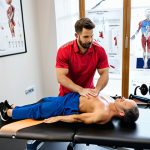
Hey there, fellow career adventurers! Have you ever poured your heart and soul into becoming an amazing sports rehabilitation specialist, only to wonder what other exciting avenues your incredible skillset could unlock?
Trust me, you’re not alone. Many of us, myself included, have hit that crossroads, realizing the unique blend of patient care, injury prevention, and performance enhancement we master is actually a golden ticket to so many other fulfilling roles.
It’s truly amazing how our deep understanding of the human body and recovery can open doors you might not even realize exist today. Ready to explore a whole new world of possibilities?
Let’s dive into the details below and discover some truly exciting career transitions!
Unlocking New Horizons with Your Clinical Acumen
Advanced Diagnostic Consulting
Honestly, when I first started out in sports rehabilitation, I thought my world would solely revolve around clinic appointments and treatment plans. Boy, was I wrong! One of the most fascinating avenues I’ve personally seen and even dabbled in is advanced diagnostic consulting. Think about it: our hands-on experience, our deep understanding of biomechanics, and our ability to spot the subtlest compensations are incredibly valuable. We’re not just treating symptoms; we’re forensic investigators of the human body. Imagine being the go-to expert for complex cases that stump general practitioners or even other specialists. You could be working with legal firms on injury claims, insurance companies assessing long-term care needs, or even private clients seeking a second opinion on chronic issues. It’s about leveraging that unparalleled ability to connect the dots between movement patterns, pain, and underlying pathology. The satisfaction of unraveling a long-standing mystery for someone is immense, and frankly, the intellectual challenge keeps you incredibly sharp. I remember one case where a client had been misdiagnosed for years, and just by observing their gait and palpating specific areas, I was able to guide them towards the correct diagnosis and ultimately, effective treatment. That’s the kind of impact we can have beyond the traditional clinic setting.
Specialized Geriatric Mobility Programs
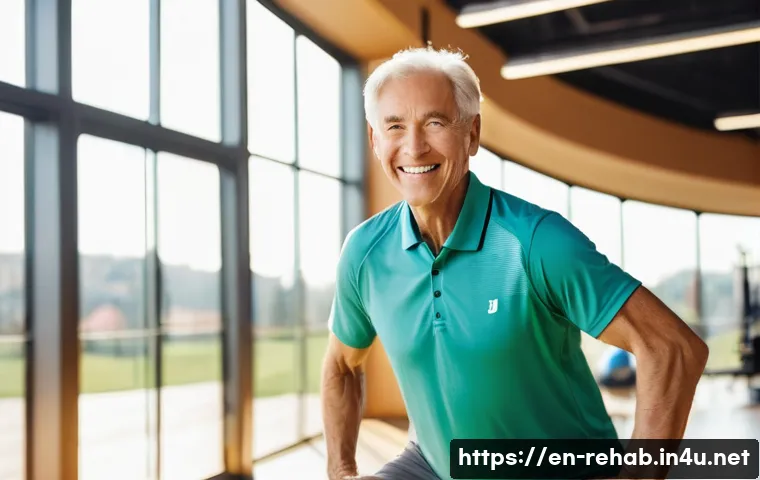
For those of us with a real passion for improving quality of life, extending our expertise into specialized geriatric mobility programs offers such a heartwarming and impactful career shift. Many rehabilitation specialists focus heavily on sports injuries, but the aging population presents a massive, often underserved, need. Our skills in restoring function, preventing falls, and enhancing overall physical independence are absolute gold in this sector. I’ve witnessed firsthand the transformative power of a well-designed program for an older adult who thought their active days were behind them. It’s not just about physical exercises; it’s about understanding the unique physiological and psychological aspects of aging, adapting interventions, and building trust. You could be designing bespoke programs for retirement communities, consulting for assisted living facilities, or even creating an in-home service focusing on maintaining strength and balance. It’s incredibly rewarding work, seeing someone regain their confidence to walk their dog or play with their grandchildren. The sense of purpose you get from helping someone age gracefully and independently is truly incomparable.
Pioneering Wellness and Performance in the Corporate World
Corporate Ergonomics and Injury Prevention
Who knew that our knowledge of how bodies move and break down could be so crucial in an office setting? It turns out, companies are waking up to the huge costs associated with musculoskeletal injuries among their employees, from carpal tunnel syndrome to chronic back pain. This is where we, as sports rehabilitation specialists, can really shine! Our expertise in identifying poor posture, assessing repetitive strain, and recommending corrective exercises makes us perfectly suited to design and implement corporate ergonomics programs. I’ve personally been involved in projects where we transformed entire office layouts, provided individual workstation assessments, and educated employees on proper lifting techniques and micro-breaks. It’s not just about fixing problems; it’s about proactive prevention, fostering a healthier work culture, and ultimately, boosting productivity and morale. The impact you can have on hundreds, if not thousands, of employees, reducing their discomfort and improving their daily lives, is incredibly satisfying. Plus, working with corporate clients often involves a different kind of problem-solving, which can be a refreshing change of pace from clinical work.
Employee Wellness Program Development
Beyond just ergonomics, our holistic understanding of health and human performance positions us perfectly to spearhead broader employee wellness programs. Companies are constantly looking for innovative ways to keep their workforce healthy, engaged, and stress-free. As someone deeply versed in exercise physiology, injury prevention, and even mental well-being (given the psychological aspects of recovery we often deal with), you’re uniquely qualified to develop comprehensive wellness strategies. This could involve everything from organizing fitness challenges, leading educational workshops on nutrition and stress management, to setting up on-site stretching and mobility clinics. Imagine designing a program that genuinely motivates people to adopt healthier habits, potentially averting countless health issues down the line. I’ve found that bringing our rehabilitation perspective—focusing on long-term functional health rather than just short-term fixes—really resonates with employers and employees alike. It’s about creating a culture where well-being isn’t an afterthought but an integral part of the work environment.
Innovating Health Technology and Product Development
Rehabilitation Device Design
This is where our hands-on experience truly becomes invaluable for innovation! We spend countless hours using, and sometimes wishing we had, better rehabilitation tools and devices. Who better to consult on the design and development of new physical therapy equipment, wearable sensors, or assistive technologies than someone who uses them daily and understands the nuanced needs of both patients and practitioners? I’ve been fortunate enough to collaborate with a medical device company, providing feedback on prototypes and suggesting modifications based on real-world clinical applications. It’s thrilling to see your insights contribute to a product that could genuinely help thousands of people recover more effectively or prevent injuries. Our understanding of biomechanics, tissue healing, and patient compliance issues is a goldmine for engineers and product developers who might lack that practical, human-centric perspective. If you have an entrepreneurial spirit and a keen eye for what works (and what definitely doesn’t!) in a clinical setting, this could be an incredibly fulfilling path.
Fitness App and Wearable Tech Consultation
In our increasingly digital world, fitness apps and wearable technology are everywhere, but not all of them are created equal. Many lack the scientific rigor or practical applicability that we, with our rehabilitation backgrounds, can bring to the table. Our expertise is crucial in ensuring these tools are not just trendy, but effective, safe, and truly beneficial. Imagine consulting for a startup developing a new post-injury recovery app, ensuring its exercise protocols are sound, its progression is appropriate, and its user interface is intuitive for someone potentially in pain. Or perhaps advising a major tech company on how their next-generation fitness tracker can provide more actionable insights for injury prevention or performance enhancement. I’ve seen firsthand how a well-designed app, guided by clinical knowledge, can empower individuals to take control of their own health journey. It’s a space ripe for our unique blend of clinical understanding and practical application, allowing us to influence health at a massive scale.
Educating the Next Generation of Movement Experts
University Lecturer or Adjunct Professor
One of the most profound ways to continue making an impact is by shaping the minds of future professionals. Our practical experience, the war stories from the clinic, the moments of triumph and challenge – these are invaluable lessons that textbooks simply can’t capture. Moving into academia, whether as a full-time lecturer or an adjunct professor, allows you to share your hard-earned wisdom with aspiring sports rehabilitation specialists, physical therapists, or even exercise scientists. I’ve guest lectured a few times, and the energy you get from engaging with eager students, seeing their eyes light up when you explain a complex concept with a real-world example, is truly invigorating. It’s a chance to synthesize your entire career, distill your knowledge, and contribute to the foundational education of those who will follow in your footsteps. You’re not just teaching; you’re inspiring, mentoring, and ensuring the standards of our profession remain high. Plus, the academic environment often encourages research, allowing you to delve deeper into topics you’re passionate about.
Continuing Education Course Creator
Our field is constantly evolving, with new research, techniques, and technologies emerging all the time. This creates a massive demand for high-quality continuing education, and guess who’s perfectly positioned to meet that need? We are! As seasoned sports rehabilitation specialists, we have the expertise to identify gaps in current education, develop innovative content, and present it in a way that truly resonates with other professionals. Think about creating online courses, workshops, or webinars on specialized topics like advanced dry needling techniques, post-concussion rehabilitation strategies, or cutting-edge performance enhancement protocols. I’ve developed a few small online modules myself, and it’s incredibly empowering to know that your carefully crafted content is reaching practitioners across the country (or even globally!), helping them refine their skills and improve patient outcomes. It’s a fantastic way to establish yourself as a thought leader, generate passive income, and continue to contribute to the growth and development of our profession without the daily grind of patient care.
Crafting Bespoke Fitness and Recovery Journeys
High-Performance Personal Training
For those of us who absolutely love working one-on-one with individuals, seeing them achieve their physical goals, but perhaps want a shift from the purely clinical side, high-performance personal training is an incredibly natural and exciting pivot. Our deep understanding of anatomy, physiology, injury mechanics, and safe progression puts us head and shoulders above many conventional personal trainers. We’re not just about reps and sets; we understand the ‘why’ behind every movement, how to modify for past injuries, and how to push boundaries safely and effectively. I’ve found this role to be incredibly rewarding, especially when working with athletes or highly motivated individuals who are aiming for specific performance benchmarks or recovering from a previous injury but are now cleared for higher-level activity. You’re essentially becoming their movement guru, their injury prevention specialist, and their performance coach all rolled into one. It allows for a truly personalized approach that can lead to phenomenal results for your clients and immense satisfaction for you.
Integrated Wellness Coaching
The world is increasingly recognizing that true health goes beyond just physical fitness; it encompasses mental well-being, nutrition, stress management, and lifestyle choices. As sports rehabilitation specialists, we often see the interconnectedness of these factors in our patients’ recovery journeys. This holistic perspective makes us perfectly suited for integrated wellness coaching. You’re not just prescribing exercises; you’re helping clients navigate their entire health landscape, identifying barriers to well-being, and empowering them to make sustainable changes. Imagine guiding someone through a complete transformation, from improving their sleep and nutrition to developing mindful movement practices and stress reduction techniques. It’s a much broader scope than traditional rehabilitation, but our foundational knowledge provides an incredibly strong platform. I’ve personally coached clients who initially came for a physical issue but ended up transforming their entire lifestyle, and that’s a truly profound impact.
Diving into Specialized Athletic Performance Roles
Sports Team Performance Analyst
If you’re anything like me, you probably geek out over movement patterns, biomechanics, and optimizing performance. Well, good news! Our analytical minds and deep understanding of athletic movement make us prime candidates for roles as sports team performance analysts. This isn’t just about watching games; it’s about meticulously dissecting athlete movement, identifying inefficiencies, assessing injury risks through data, and contributing to strategies that enhance team performance. You could be working with cutting-edge motion capture technology, analyzing strength and conditioning data, or even integrating GPS tracking information to provide coaches with actionable insights. I’ve seen firsthand how a keen eye for biomechanics can spot potential problems before they become injuries, or unlock new levels of performance. It’s a high-stakes, fast-paced environment, but for those of us who thrive on data and the intricate science of sport, it’s an incredibly exciting way to stay close to the action.
Athlete Recovery Specialist
While sports rehabilitation focuses on returning athletes to play, the role of an athlete recovery specialist zeroes in on optimizing the recovery process itself, minimizing downtime, and preventing future injuries. Given our comprehensive understanding of tissue healing, physiological responses to stress, and various recovery modalities, we are uniquely qualified for this crucial role within professional sports organizations, elite training centers, or even with individual high-performance athletes. You’d be designing personalized recovery protocols, implementing strategies like cryotherapy, hydrotherapy, advanced soft tissue techniques, and monitoring athlete wellness metrics to ensure peak readiness for competition. I’ve personally experimented with various recovery modalities throughout my career, understanding their practical application and psychological impact. It’s a dynamic and incredibly important position, recognizing that optimal performance isn’t just about training hard, but recovering even smarter.
Shaping Policy and Public Health Initiatives
Public Health Program Management
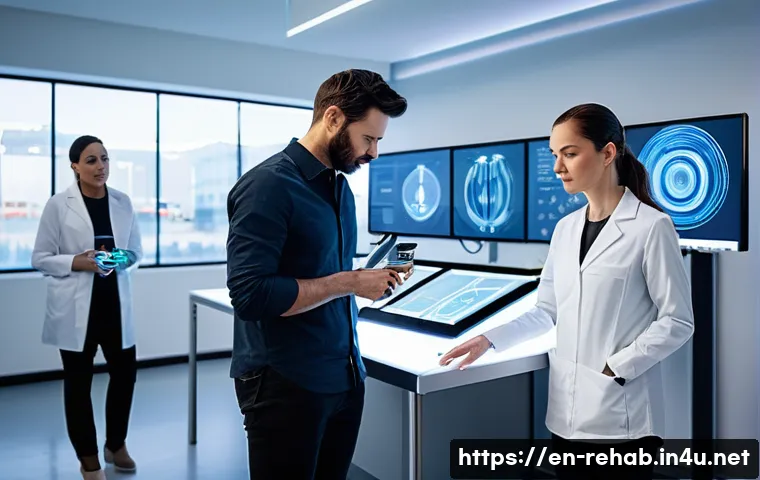
Our impact doesn’t have to be limited to individual patients or even corporate teams. Imagine applying your deep understanding of health, movement, and injury prevention to a much broader scale, influencing public health policy and managing large-scale initiatives. As a sports rehabilitation specialist, you possess a unique perspective on the physical determinants of health, the prevalence of musculoskeletal issues, and effective strategies for prevention and management within communities. You could be working with government agencies, non-profits, or large healthcare systems to design and implement programs that address issues like childhood obesity, fall prevention in seniors, or promoting physical activity across diverse populations. It’s a shift from hands-on clinical work to strategic planning and community engagement, but the potential for widespread positive change is immense. I’ve often thought about how many more people we could reach by focusing on population-level interventions, drawing on our insights from individual patient care to inform public health strategies.
Advocacy for Accessible Rehabilitation Services
Throughout our careers, we often encounter barriers that prevent individuals from accessing the rehabilitation services they desperately need. Whether it’s insurance limitations, geographical constraints, or a lack of awareness, these obstacles can be incredibly frustrating. This frustration can actually fuel a powerful career pivot into advocacy! As someone who intimately understands the critical importance of rehabilitation for quality of life, you are perfectly positioned to advocate for improved policies, increased funding, and greater accessibility to these essential services. This could involve working with patient advocacy groups, lobbying policymakers, or even leading public awareness campaigns. Your voice, backed by clinical experience, carries immense weight. I truly believe that our direct experiences with patients in need give us an authentic and compelling story to tell, which can be incredibly effective in driving meaningful change within the healthcare system.
Entrepreneurial Ventures: Building Your Own Legacy
Opening a Niche Wellness Practice
Feeling that itch to be your own boss and carve out a truly unique space in the health and wellness industry? Many of us sports rehabilitation specialists eventually get there. Our comprehensive skillset and deep understanding of the human body make us ideally suited to launch niche wellness practices that go beyond traditional PT clinics. Think about specializing in specific populations, like ultra-marathon runners, performing artists, or even pre/post-natal fitness. You could offer a hybrid model combining hands-on therapy, performance coaching, and holistic wellness guidance. The beauty of this path is the freedom to design your services exactly how you envision them, focusing on the areas you’re most passionate about and where you feel you can make the biggest impact. I’ve seen colleagues build incredibly successful practices by identifying an underserved community and offering truly personalized, high-value services that blend our clinical expertise with a preventative, performance-oriented mindset. It’s challenging, no doubt, but the reward of building something truly your own is immeasurable.
| Transferable Skill | Example Alternative Role | Why It’s a Great Fit for Rehab Specialists |
|---|---|---|
| Advanced Biomechanical Analysis | Sports Tech Consultant | Our ability to dissect movement patterns and identify subtle inefficiencies is invaluable for developing and refining performance analysis tools. We bridge the gap between clinical understanding and engineering. |
| Patient Education & Motivation | Corporate Wellness Coach | We’re experts at simplifying complex health information and motivating individuals to adhere to programs, skills essential for fostering healthy habits in a workplace setting. |
| Injury Prevention & Risk Assessment | Insurance Claims Adjuster (Specialty) | Our deep knowledge of injury mechanisms, healing times, and long-term functional implications makes us uniquely qualified to assess the validity and scope of injury claims. |
| Therapeutic Exercise Prescription | Online Fitness Program Designer | Beyond basic exercises, we understand progressive overload, periodization, and modification for various conditions, enabling us to create effective and safe digital fitness content. |
| Holistic Patient Care | Health & Lifestyle Coach | We naturally consider physical, psychological, and social factors in recovery, making us ideal for guiding clients towards comprehensive well-being beyond just physical ailments. |
Online Course Creation and Digital Products
The digital economy has opened up incredible opportunities for sharing our specialized knowledge with a global audience, and as sports rehabilitation specialists, we have a treasure trove of insights to offer. Think about all the common questions your patients ask, the recurring issues you see, or the niche topics you’ve mastered. These are all potential goldmines for online courses, e-books, or digital guides. Whether it’s “Mastering Core Stability After Back Pain” or “A Rehab Specialist’s Guide to Running Form,” you can package your expertise into valuable digital products. I’ve seen firsthand how creating digital content not only establishes your authority and expands your reach but also provides a fantastic stream of passive income. It’s empowering to create something once and have it help countless people, regardless of their location, all while freeing up your time from one-on-one sessions. The process of structuring and presenting your knowledge for a wider audience can also refine your understanding and communication skills, making you an even better practitioner or consultant.
Consulting for Fitness Startups
The fitness and wellness startup scene is booming, with new companies constantly emerging with innovative ideas for equipment, training methodologies, and service models. However, many of these ventures, while well-intentioned, often lack the foundational clinical expertise that we bring to the table. This presents a fantastic opportunity for us to step into consulting roles, guiding these startups from concept to execution. Imagine advising a new gym chain on their injury prevention protocols, helping a tech company validate their new smart recovery device, or assisting a boutique studio in developing specialized programs for unique populations. Our practical experience with the human body, understanding of what truly works, and ability to identify potential pitfalls from a safety and efficacy standpoint are incredibly valuable. I’ve always enjoyed seeing how my clinical knowledge can be applied in a business development context, helping shape the future of fitness and wellness from the ground up. It’s a dynamic and intellectually stimulating role that allows you to be at the forefront of innovation.
Wrapping Things Up
Well, if there’s one thing I hope you take away from all this, it’s that your journey as a sports rehabilitation specialist is anything but linear. We’ve got this incredible foundation of knowledge and a unique skill set that opens doors to so many exciting and impactful ventures. Don’t ever feel limited to just the clinic walls! The world needs our expertise, our empathy, and our knack for problem-solving in ways we might not even realize yet. Go out there and explore, innovate, and most importantly, keep making a real difference in people’s lives – whether that’s in a traditional setting or blazing a completely new trail!
Good-to-Know Information
1. Networking is Gold: Seriously, connect with people across different industries! You never know where your next opportunity will come from. Attend workshops, join online communities, and don’t be shy about reaching out to professionals in fields that pique your interest. The connections you make can open doors you never even knew existed.
2. Upskill Strategically: Identify areas where your current skills might need a little boost for a new role. Maybe it’s business acumen for entrepreneurship, data analysis for performance roles, or public speaking for lecturing. Invest in short courses or certifications that fill these gaps. Growth never stops, and neither should your learning.
3. Showcase Your Unique Perspective: When transitioning, highlight how your rehab background provides a distinct advantage. Employers often seek diverse viewpoints. Emphasize your problem-solving abilities, your deep understanding of human movement, and your patient-centric approach – these are incredibly valuable assets in any field.
4. Consider Mentorship (Both Ways!): Find mentors who have successfully transitioned into roles you’re interested in. Learn from their experiences and challenges. Also, consider mentoring others; teaching often solidifies your own understanding and can lead to unexpected opportunities. It’s a fantastic way to give back and grow simultaneously.
5. Start Small and Experiment: You don’t have to jump entirely into a new career overnight. Try freelancing on the side, taking on a small consulting project, or volunteering in a new area. These low-risk experiments can help you gauge your interest, build new skills, and expand your professional network without a full commitment. It’s all about informed exploration.
Key Takeaways
Our training as sports rehabilitation specialists equips us with a remarkably versatile skill set, far beyond just treating injuries in a clinic. We are critical thinkers, problem-solvers, and movement experts with a deep understanding of human performance, making us invaluable across diverse sectors like corporate wellness, health tech, academia, and even public health. Embrace your adaptability and see your expertise as a powerful tool to innovate and make a significant impact in countless ways, shaping the future of health and wellness.
Frequently Asked Questions (FAQ) 📖
Q: What are some of the most exciting non-traditional career paths for sports rehabilitation specialists, beyond the usual clinic setting?
A: Oh, this is such a brilliant question, and one I hear all the time from folks feeling a bit boxed in! It’s genuinely inspiring to see how many diverse paths our unique skillset can unlock.
Beyond the typical clinic, many sports rehabilitation specialists, myself included, are finding incredibly fulfilling roles in areas like corporate wellness.
Think about it – we’re experts in injury prevention, ergonomics, and optimizing human movement. Businesses are now eager to hire us as corporate wellness consultants to keep their employees healthy, reduce workplace injuries, and boost overall productivity.
It’s like being a performance coach, but for the entire company! Then there’s the burgeoning field of sports performance and human movement science. We’re talking about roles in professional sports organizations, even the Olympics, or specialized training centers where you’re designing cutting-edge injury prevention programs and analyzing biomechanics to get athletes to their absolute peak.
Another super cool avenue is product design and assistive technology; imagine using your deep understanding of the human body to help develop the next generation of medical devices or wearable tech.
And for the entrepreneurial spirits among us, opening specialized practices focusing on niche areas like telehealth rehabilitation, mobile units that bring care directly to clients, or even bespoke wellness and preventative programs is truly taking off.
The possibilities really are endless when you start looking beyond the traditional four walls of a clinic!
Q: How can our existing skills from sports rehabilitation be best leveraged when transitioning into these new roles?
A: It’s truly amazing how versatile our skillset is, and honestly, sometimes we don’t even realize it ourselves! My experience has shown me that the core competencies we develop in sports rehabilitation are absolute goldmines for these alternative careers.
First off, our communication skills are phenomenal; we’re constantly educating patients, motivating them through tough recoveries, and collaborating with other healthcare professionals.
That translates directly into roles where client education, team leadership, or even sales and marketing of health-related products are crucial. Then there’s our analytical and problem-solving prowess.
Every day, we’re assessing complex injuries, developing tailored treatment plans, and adapting when things don’t go as expected. That kind of critical thinking is highly sought after, whether you’re strategizing for a corporate wellness program or troubleshooting in product development.
And let’s not forget our deep understanding of biomechanics, injury prevention, and program development – these aren’t just clinical skills; they’re essential for designing effective fitness programs, optimizing workplace environments, or advising on sports performance.
Believe me, employers in these new fields are actively looking for professionals who can bring that holistic understanding of human function and recovery to the table.
Q: Do I need to go back to school for another full degree, or are there quicker ways to gain the necessary qualifications for these new career directions?
A: I get this question all the time, and I totally get the hesitation about diving into another multi-year degree program! The good news is, no, you often don’t need another full-blown degree right away, especially if you’re smart about where you want to go.
While a master’s degree in a related field like Sport Rehabilitation and Therapy can definitely open doors to higher-level academic or research roles, for many of these exciting transitions, specialized certifications are your best friend.
For instance, if you’re eyeing corporate wellness or becoming a high-performance coach, certifications in strength and conditioning (like CSCS) or corrective exercise (from organizations like NASM or ACE) can significantly boost your credibility and skill set.
I’ve seen many colleagues successfully pivot by focusing on specific, in-demand certifications that build upon our foundational knowledge without requiring years of university.
You can also explore shorter residency or fellowship programs that offer intensive, specialized training in areas like manual therapy or specific sports medicine sub-specialties.
Plus, never underestimate the power of workshops and continuing education courses! These are fantastic for gaining targeted knowledge, keeping up with the latest trends, and networking with professionals already thriving in these alternative spaces.
It’s all about strategically choosing what skills you need to bridge any gaps and demonstrating your expertise to your desired new field.