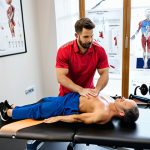
Hey there, fitness friends and recovery warriors! It’s a question I hear all the time: “Do I need a physical therapist or a sports rehabilitator?” Let’s be honest, navigating the world of injury recovery and peak performance can feel a bit like trying to solve a puzzle blindfolded.

Many of us casually throw around these titles, assuming they’re interchangeable, but after years of seeing folks bounce back stronger (or sometimes not!), I can tell you there’s a world of difference.
Especially with new trends emerging in personalized recovery and proactive wellness, knowing which expert to turn to isn’t just about getting back on your feet; it’s about optimizing your entire athletic journey, whether you’re a weekend warrior or hitting the professional circuits.
My personal take is that understanding their unique approaches can truly be a game-changer for anyone dealing with an injury or looking to prevent one.
Who knew making the right choice could so significantly impact your ability to squat deeper, run faster, or simply enjoy a pain-free life? Let’s dive deeper and uncover the exact distinctions that truly matter for your health and performance journey!
Navigating the World of Movement Experts: Understanding Your Options
Beyond the Buzzwords: Decoding PTs and Sports Rehabilitators
Okay, so let’s cut to the chase. You’ve got an ache, a pain, or maybe you’re just looking to seriously level up your game. The first hurdle often isn’t the injury itself, but figuring out *who* to call.
“Physical therapist” and “sports rehabilitator” get tossed around so much, it’s easy to assume they’re practically the same job, right? I certainly did when I first started getting serious about my fitness!
But after years of watching clients, friends, and even myself navigate these waters, I’ve realized there are some pretty distinct differences that truly matter for your recovery and performance journey.
Think of it this way: both are champions of movement, but they often specialize in different arenas. A physical therapist (PT) generally has a broader scope, akin to a general practitioner for your body’s mechanics.
They’re trained to diagnose and treat a vast array of conditions across all age groups, from post-surgical recovery to managing chronic pain like arthritis or neurological disorders.
Their focus is often on restoring foundational movement and function for daily life. On the other hand, a sports rehabilitator, or sports therapist, is more like a specialist surgeon for athletes and active individuals.
Their expertise is deeply rooted in the biomechanics of sport, aiming not just for recovery, but for a return to *peak* athletic performance and, crucially, preventing future sport-specific injuries.
It’s a nuanced but vital distinction that can genuinely impact how quickly and effectively you get back to doing what you love. It’s not about one being “better” than the other, but about finding the right fit for your unique needs and goals.
My Own Journey: Learning the Hard Way About the Right Expert
I remember a few years back, after an overly enthusiastic trail run, I ended up with a nagging knee issue. I just assumed “physical therapist” was the go-to for any injury, so I booked an appointment.
My PT was fantastic, helping me regain basic function and reduce the pain. We worked on general strengthening and mobility, and I felt a lot better for everyday activities.
But when I tried to get back to my long-distance running, I found myself hitting a wall. My knee felt *fine* for walking, but the impact and specific movements of running aggravated it again.
That’s when a friend, a former collegiate athlete, suggested a sports rehabilitator. The difference in approach was eye-opening! The sports rehab specialist didn’t just look at my knee in isolation; they analyzed my entire running gait, watched how I landed, and tailored exercises specifically to mimic and improve my running mechanics.
It wasn’t just about healing the pain, but about optimizing my body to withstand the demands of my sport. This personal experience really hammered home that while both professionals are incredibly skilled, their *lens* and *end goal* can differ significantly.
It taught me the importance of being super clear about my aspirations – was it just to feel better, or was it to perform better *in my sport*?
The Physical Therapist’s Deep Dive: Holistic Healing for Everyday Life
More Than Just Muscles: A Broad Spectrum of Care
When we talk about physical therapists, it’s important to understand just how comprehensive their training is. They’re licensed healthcare professionals, often holding a Doctor of Physical Therapy (DPT) degree, which equips them to evaluate, diagnose, and treat a vast array of conditions that affect movement and function.
This isn’t just about a sprained ankle or a stiff neck after sitting at a desk too long, although they certainly handle those too. Their expertise extends to complex neurological disorders like stroke recovery, multiple sclerosis, or Parkinson’s disease, helping patients regain limb responsiveness, improve movement patterns, and enhance balance.
They also work with cardiovascular and pulmonary conditions, assisting with endurance and stamina, and even specialize in areas like women’s health or wound management.
My grandma, for instance, had a physical therapist come to her home after a fall, and it wasn’t just about her hip. They worked on her balance, assessed her home environment for fall risks, and gave her exercises to improve her overall confidence in moving around.
It’s truly about maximizing a person’s ability to participate fully and pain-free in their daily lives, whatever those activities may be. They look at the whole person, not just the injured part, and create tailored plans that aim to improve quality of life and prevent further issues.
Why Your PT Might Be Your First Line of Defense
For many, a physical therapist is often the first stop, and for good reason. They are movement experts who can identify, diagnose, and treat movement problems, helping people maintain or restore function.
Think about chronic back pain – a common ailment that can seriously impact your daily routine. A PT can provide strategies for managing this discomfort, utilizing therapeutic exercises, manual therapy, and patient education to address the underlying causes.
They’re incredibly skilled at helping you avoid surgery, as research has shown physical therapy can be as effective as surgical intervention for conditions like meniscal tears, rotator cuff tears, or spinal stenosis.
This means less risk, less recovery time, and often, less cost! I’ve seen countless friends who thought surgery was their only option for persistent shoulder pain find immense relief and full function through a dedicated PT program.
They really empower you by giving you the tools and knowledge to take an active role in your own recovery. The sheer breadth of conditions they can address makes them an invaluable resource for general health and well-being, ensuring you can move safely and confidently in all aspects of your life.
The Sports Rehabilitator’s Edge: Precision for Peak Performance
Beyond Recovery: Engineering Athletic Excellence
Now, let’s talk about sports rehabilitators. These professionals operate with a very specific end goal in mind: getting athletes and highly active individuals back to their chosen sport, often performing *better* than before.
While there’s certainly overlap with physical therapy in terms of injury treatment, a sports rehabilitator’s approach is deeply specialized. They understand the unique demands that different sports place on the body.
For example, the rehabilitation plan for a basketball player recovering from an ankle sprain will look vastly different from that of a marathon runner with the same injury.
The basketball player might focus on jumping and landing mechanics, agility drills, and plyometrics to ensure they can handle the quick changes of direction and explosive movements on the court.
A runner, conversely, might work on gait retraining, stride efficiency, and specific strengthening to withstand repetitive impact. It’s not just about healing; it’s about re-engineering the body for the specific stresses of athletic competition.
They delve into biomechanical analysis to optimize performance, prevent future injuries, and ensure athletes return to their sport stronger, faster, and injury-free.
The Athlete’s Best Friend: Prevention and Performance Enhancement
What truly sets a sports rehabilitator apart, in my experience, is their strong emphasis on injury prevention and performance optimization. They don’t just react to injuries; they proactively work to stop them from happening in the first place.
This often involves comprehensive pre-season screening, fitness testing, and performance monitoring. They’re experts in identifying muscular imbalances or movement patterns that could predispose an athlete to injury, and then designing targeted conditioning and strengthening programs to address those vulnerabilities.
I remember a soccer player friend who constantly battled hamstring strains. His sports rehabilitator didn’t just treat the strain; they implemented a rigorous program focusing on eccentric hamstring strength, glute activation, and proper running mechanics, and he hasn’t had a recurrence since.
This kind of specialized, sport-specific approach goes beyond general rehabilitation, aiming to help athletes perform at an equal or even superior level post-injury.
They’re also often involved pitch-side, providing immediate emergency aid and assessing if an athlete can safely continue with an activity. It’s truly a holistic approach that covers everything from physical conditioning to mental resilience during recovery.
When the Roads Diverge: Choosing Your Path to Recovery
The Injury Type and Your Goals: Key Deciding Factors
Deciding between a physical therapist and a sports rehabilitator can feel like a big decision, but it really boils down to your specific situation and what you’re hoping to achieve.
If you’re dealing with a general injury, say a sprain from a misstep on the stairs, or recovering from surgery not directly related to intense athletic performance, a physical therapist is usually your best bet.
They excel at restoring basic mobility and function for everyday activities, ensuring you can walk, lift, and live without pain. Their diverse techniques, from manual therapy to therapeutic exercises and pain management strategies, are designed to get you back to your baseline.
However, if you’re an athlete – whether professional, collegiate, or a dedicated weekend warrior – and your goal is to return to a specific sport or physical activity at a high level, then a sports rehabilitator might be the more tailored choice.
They’re trained to understand the intense physical demands of sports and will focus on sport-specific conditioning, agility, and performance enhancement alongside injury recovery.
It’s about optimizing your body to withstand the stress of your chosen activity.
Considering Your Activity Level: The Athlete’s Advantage
Your activity level is a huge factor in this choice. If your physical activity primarily involves daily living, perhaps some leisurely walks or gardening, a physical therapist will provide comprehensive care to improve your overall function and quality of life.
They’re geared towards a broader patient population, including those with chronic conditions, neurological issues, or post-operative needs. But if you’re hitting the gym hard, training for a marathon, playing competitive sports, or simply have a highly active lifestyle that demands peak physical output, then a sports rehabilitator offers a distinct advantage.
They’re going to dive deep into the mechanics of *your* sport, identifying nuances in your movement that a general PT might not typically focus on. This means exercises mimicking athletic movements, targeted strength training for performance, and a strong emphasis on preventing re-injury in high-stress situations.
I’ve personally seen the difference this specialized focus makes for athletes who want to not just recover, but truly excel again.
| Feature | Physical Therapist (PT) | Sports Rehabilitator (SR) |
|---|---|---|
| Primary Focus | Restoring general movement and function, pain management, broad range of conditions. | Injury recovery, performance enhancement, and prevention for athletes and active individuals. |
| Patient Population | Diverse range, including post-surgical, chronic conditions, neurological issues, all ages. | Athletes (amateur to professional) and active individuals. |
| Treatment Goals | Maximize mobility, reduce pain, improve daily living activities, prevent worsening conditions. | Return to sport at pre-injury or higher level, optimize athletic performance, prevent re-injury. |
| Common Techniques | Manual therapy, therapeutic exercises, modalities (heat, ice, e-stim), patient education. | Sport-specific exercises, plyometrics, agility drills, biomechanical analysis, advanced conditioning, manual therapy. |
| Setting | Hospitals, outpatient clinics, private practices, home care. | Specialized clinics, gyms, training facilities, on-site with sports teams. |
Advanced Techniques: Tools in Their Respective Toolkits
Cutting-Edge Therapies in Physical Therapy
It’s genuinely amazing how much rehabilitation has evolved over the years, and physical therapists are right there at the forefront, integrating incredible advancements into their practice.
Beyond the traditional hands-on techniques, therapeutic exercises, and modalities like heat or ice, many PTs now incorporate state-of-the-art methods to speed up recovery and enhance outcomes.

For instance, dry needling and acupuncture are increasingly common for pain management and muscle release, offering targeted relief for stiff joints and muscle tightness.
You might also find PTs utilizing advanced diagnostic tools that help them pinpoint the root cause of an issue with incredible precision, leading to more effective treatment plans.
I know a PT who uses specialized balance systems to help older adults prevent falls, which is a game-changer for maintaining independence and confidence.
They also leverage education and tailored programs to help people manage chronic conditions, like arthritis or even headaches, improving function in ways you might not expect.
It’s all about a scientific, evidence-based approach to get you moving safely and confidently, regardless of your starting point.
Sports Rehabilitators: Embracing Tech for Athletic Comebacks
Sports rehabilitators, particularly, are quick to adopt emerging technologies that can give athletes that crucial edge in recovery and performance. We’re talking about some seriously cool stuff!
Imagine anti-gravity treadmills that allow athletes to run and train with reduced body weight, minimizing impact while recovering from lower limb injuries.
It’s like a cheat code for getting back on your feet faster! Then there’s blood flow restriction therapy (BFR), which allows for strength gains with lower loads, reducing stress on healing tissues.
Virtual reality (VR) and augmented reality (AR) are also making waves, creating immersive training environments that can make rehab exercises more engaging and effective, simulating sport-specific scenarios.
I’ve seen athletes use VR to practice intricate movements or overcome mental blocks associated with returning to their sport. Regenerative medicine techniques, like Platelet-Rich Plasma (PRP) therapy, are also gaining traction for soft tissue injuries, believed to incite tissue repair and regeneration.
These are not just fancy gadgets; these are powerful tools designed to push the boundaries of what’s possible in athletic recovery, ensuring a faster, stronger, and more confident return to play.
The Human Element: Experience, Empathy, and Empowerment
Beyond the Clinical: Building Trust and Motivation
Whether you choose a physical therapist or a sports rehabilitator, one thing I’ve learned is that the human connection is absolutely paramount. It’s not just about the exercises or the machines; it’s about the person guiding you through what can often be a challenging and vulnerable time.
A great therapist, regardless of their specialization, has an incredible ability to motivate and encourage you, to really make you feel like an active participant in your own healing journey.
I’ve seen therapists celebrate every small win with their patients – that extra degree of range of motion, the first pain-free step, or getting back to a favorite activity.
This kind of empathy and genuine support is what transforms a clinical session into a truly empowering experience. They’re not just treating an injury; they’re helping you regain confidence and mental resilience, which is particularly vital for athletes who might be struggling with the psychological impact of being sidelined.
Finding Your Champion: What Truly Matters
From my own experience, and seeing so many people go through recovery, the most important factor often isn’t the title but the individual practitioner’s experience, their specialization *within* their field, and their ability to genuinely connect with your goals.
Are they passionate about what they do? Do they listen intently to your concerns? Do they tailor the treatment specifically to *your* body and *your* lifestyle, rather than a generic protocol?
These are the questions that truly matter. I always tell people to look for someone who makes them feel heard and understood, and who explains things in a way that makes sense.
Whether they’re a PT with a deep understanding of orthopedic sports injuries or a dedicated sports rehabilitator, that personal connection and individualized approach will make all the difference in your recovery.
Don’t be afraid to ask about their experience with injuries similar to yours or their approach to your specific activity. This isn’t just about getting treatment; it’s about finding a partner in your health journey, someone who truly champions your comeback.
Investing in Your Body: A Long-Term Perspective
More Than Just Fixing: Proactive Health and Longevity
Thinking about physical therapy or sports rehabilitation shouldn’t just be a reactive measure when an injury strikes. Honestly, I’ve come to see it as a crucial part of proactive wellness and long-term athletic longevity.
Just like you service your car regularly to prevent breakdowns, your body needs consistent care to perform optimally and stave off potential issues. Both PTs and sports rehabilitators play a vital role in this.
They can help identify subtle imbalances or weaknesses *before* they manifest as full-blown injuries. For example, a sports rehabilitator might work with an athlete on preventative genomics or wearable tech to monitor health and training, identifying risks before they become problems.
Or a physical therapist might provide guidance on proper body mechanics and ergonomic adjustments to prevent chronic pain from developing. It’s about building a robust, resilient body that can handle the demands you place on it, whether that’s daily life or elite-level competition.
Making the Smart Choice for Your Future Self
Ultimately, the choice between a physical therapist and a sports rehabilitator is a personal one, but it’s an informed decision that can significantly impact your health and performance journey.
If you’re navigating a wide range of conditions or seeking to restore fundamental movement for daily living, a physical therapist’s broad expertise is a fantastic resource.
If you’re an athlete with sport-specific goals, aiming to not just recover but *excel* and prevent future athletic setbacks, then a sports rehabilitator’s specialized focus on performance enhancement is likely your ideal fit.
My best advice? Don’t hesitate to consult with both, if possible, especially for more complex situations. Many professionals in this field are happy to offer initial consultations, and getting a couple of different perspectives can be incredibly helpful.
Remember, investing in the right expert early on can save you a ton of pain, time, and money down the line, ensuring you can keep moving, playing, and living your best life.
It’s about empowering yourself with knowledge and making choices that truly align with your unique health and fitness aspirations.
Wrapping Things Up
Honestly, diving deep into the world of movement experts has been such an eye-opener, not just for my readers but for me personally. It truly boils down to making an informed choice that aligns with *your* unique needs and aspirations.
Remember, whether it’s a physical therapist guiding you back to daily comfort or a sports rehabilitator fine-tuning you for your next big race, the goal is always to empower you to move better, live fuller, and perform at your best.
Don’t ever underestimate the power of finding the right expert who genuinely gets your goals. It’s not just treatment; it’s an investment in your well-being and future capabilities.
Useful Information to Know
1. Define Your Goals Clearly: Before you even pick up the phone, take a moment to honestly assess what you want to achieve. Are you aiming to manage daily pain, recover from general surgery, or get back to playing competitive sports at an elite level? Your objective is the biggest determinant in choosing the right professional.
2. Ask About Their Specialization: Don’t be shy! When you call to book an appointment, inquire about the therapist’s specific expertise. Many physical therapists have specialties within orthopedics or sports, and similarly, sports rehabilitators might have experience with particular sports or types of injuries. This targeted approach can make a huge difference.
3. Consider a Consultation: If you’re genuinely torn, some clinics offer initial consultations. This can be a fantastic, low-commitment way to meet a therapist, discuss your situation, and get a feel for their approach before committing to a full treatment plan. It’s like test-driving a car before you buy it!
4. Evaluate the “Fit” Factor: Beyond credentials, pay attention to how well you connect with the practitioner. Do they listen? Do they explain things in a way you understand? A strong rapport and clear communication are absolutely crucial for staying motivated and adhering to your rehabilitation program, especially during challenging times.
5. Think Proactively, Not Just Reactively: Don’t wait for an injury to strike! Both PTs and SRs can offer preventative advice, identify potential weaknesses, and suggest exercises to build resilience. Regular “body tune-ups” can save you a lot of pain and downtime in the long run, ensuring you stay active and healthy.
Important Notes
When you’re navigating the path to recovery or performance enhancement, remember these core differences: a Physical Therapist is your go-to for a broad spectrum of conditions, focusing on restoring fundamental movement and function for everyday life.
They’re about holistic healing and ensuring you can move comfortably through your day. A Sports Rehabilitator, on the other hand, steps in when your activity level demands a specialized touch, geared towards getting athletes and highly active individuals back to their specific sport stronger, faster, and with a keen eye on preventing re-injury.
The ultimate decision really hinges on your personal activity level and the precise nature of your goals. Always prioritize finding a professional whose expertise and approach resonate with your unique journey – that human connection and tailored guidance are truly invaluable.
Frequently Asked Questions (FAQ) 📖
Q: What’s the fundamental difference between a Physical Therapist and a Sports Rehabilitator, and why does it really matter for my recovery?
A: This is such a common and crucial question, and honestly, it’s where many people get a little stuck. Think of it this way: a Physical Therapist (PT) generally operates with a broader medical lens.
They’re usually doctors of physical therapy and can diagnose, treat, and manage a huge spectrum of conditions, from post-surgical recovery and neurological disorders to chronic pain and, yes, injuries.
Their primary goal is often to restore basic function, reduce pain, and prevent long-term disability. They’re fantastic for getting you through the initial acute phases of an injury or if you have underlying health issues contributing to your pain.
Now, a Sports Rehabilitator, while also highly trained in musculoskeletal health, brings a much more specialized, athletic-focused approach. In my experience, they truly excel when the goal shifts from just “fixing” the injury to “optimizing” your return to sport and preventing future issues.
They’re less about broad medical diagnosis and more about biomechanics, movement analysis, and sport-specific conditioning. They’ll help you rebuild strength, power, and agility in ways that directly translate to your chosen activity, whether that’s running a marathon or just picking up your grandkids without a hitch.
The “why it matters” part is all about getting the right fit. Choosing correctly means you’re on the most efficient path back to what you love doing, avoiding unnecessary detours or, worse, re-injury because the rehab wasn’t specific enough.
Q: I’ve just tweaked my knee playing weekend soccer. Should I head straight to a PT or a Sports Rehabilitator first, and how do I decide?
A: Ah, the classic weekend warrior dilemma! Believe me, I’ve been there, and I’ve seen countless friends wrestle with this exact scenario. My personal advice here hinges on the severity and nature of your “tweak.” If your knee tweak came with sudden, sharp pain, significant swelling, difficulty bearing weight, or a noticeable “pop,” your first port of call should almost always be a Physical Therapist or even your general practitioner.
A PT, with their diagnostic capabilities, can help rule out more serious issues like ligament tears or fractures and set up an initial treatment plan to manage the acute pain and inflammation.
They’re excellent at getting you past that immediate crisis point. However, if it’s more of a lingering ache, a sensation of weakness, or you’re recovering from an older injury that just doesn’t feel quite right when you try to get back on the field, that’s often where a Sports Rehabilitator truly shines.
They’re fantastic at identifying those subtle movement imbalances or strength deficits that might be holding you back or predisposing you to injury. I’ve found that they’re brilliant at crafting a progressive exercise program that simulates the demands of your sport, ensuring you don’t just recover but return stronger and more resilient than before.
It’s all about matching the expert to your current need—acute injury management vs. performance-focused recovery and prevention.
Q: Can a Sports Rehabilitator really help me if I’m just a regular person trying to stay active, not a professional athlete?
A: nd do these two professionals ever work together? A3: Absolutely, yes to both! This is a huge misconception that I love to clear up.
Many people assume “sports” rehabilitators are only for elite athletes, but that couldn’t be further from the truth. If you’re someone who loves hitting the gym, enjoys a regular run, plays recreational sports, or even just wants to garden without back pain, a Sports Rehabilitator can be incredibly beneficial.
I’ve personally seen them work wonders for people who just want to improve their form, increase their flexibility, or get rid of that nagging shoulder ache that flares up after a long walk.
They focus on functional movement, strength, and conditioning relevant to your activity level and goals. You definitely don’t need an Olympic medal to benefit from their expertise!
And yes, they absolutely, and often, work together! In fact, it’s often the gold standard for comprehensive care. Imagine this: a Physical Therapist gets you through the initial phases of a serious knee injury, restoring your basic range of motion and pain-free walking.
Once you’ve hit those foundational milestones, a Sports Rehabilitator might step in to take you to the next level—think sport-specific drills, plyometrics, advanced strengthening, and agility work to ensure you can confidently return to your marathon training or pick-up basketball game.
It’s a powerful tag-team approach that leverages the best of both worlds, ensuring a complete recovery and truly optimized performance. It’s truly fantastic when professionals collaborate to give you the best possible outcome!